

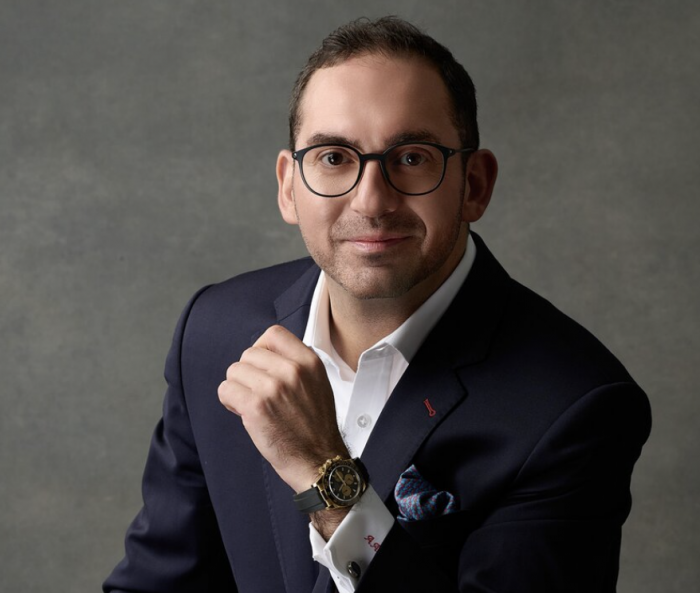
Amir Golbarg began his hospitality career in Dubai in 2007 at Burj Al Arab and Madinat Jumeirah. The experience placed him inside large, high-profile luxury operations at the start of a career that would later span Bangkok, Doha and a rapidly expanding Middle East and African portfolio.
He first joined Minor Hotels in 2012 as director of operations and hotel openings at its Bangkok headquarters. International assignments followed, including hotel management at Souq Waqif in Doha. Golbarg then moved to Al Rayyan Hospitality and Katara Hospitality, where he gained experience from the owner and corporate side of hotel operations.
Golbarg’s first five years in the industry were spent at Burj Al Arab and Madinat Jumeirah, environments where complexity and guest expectation are unusually high. Moving to Minor’s Bangkok office shifted his perspective from operating landmark properties to preparing hotels for launch across a broader system. The combination taught him that an opening is won or lost long before the first guest arrives, through design reviews, recruitment, systems configuration and commercial preparation.
His period with Al Rayyan and Katara placed him closer to the capital and governance decisions made by owners. He returned to Minor able to interpret both sides of the management relationship. That is especially valuable when a property underperforms: the operator may focus on sales and service, while the owner questions design, debt and required capital expenditure. Golbarg can frame a recovery plan around the full asset rather than one operating department.
He returned to Minor in 2019 as vice president of operations for the Middle East, became senior vice president in 2021 and was promoted to chief operating officer for the Middle East and Africa in January 2026. By February, he oversaw 38 hotels and resorts with 6,972 rooms across the region.
The portfolio sits within a global company with 12 brands, including Anantara, Avani, Elewana Collection, NH, NH Collection, Tivoli and The Wolseley Hotels. Golbarg must decide how shared systems in sales, loyalty, technology and procurement can support those brands without weakening their individual identities.
His openings background is particularly valuable. Development agreements create a pipeline on paper, but each hotel requires design reviews, budgets, recruitment, licensing, distribution and a disciplined ramp-up. Delays or weak pre-opening decisions can damage owner returns before a property has welcomed its first guest.
Saudi Arabia and Egypt are among the core growth markets. Both offer substantial demand and development opportunities, but their operating environments differ. Saudi projects require rapid talent development and alignment with new destinations. Egypt combines established resort demand with currency, financing and renovation considerations.
Africa adds further diversity. Minor’s Elewana portfolio gives it a strong presence in nature and safari tourism, where conservation, community benefit and complex logistics are fundamental. The operating model for a remote camp cannot simply reproduce that of an urban Avani or a large Anantara resort.
Golbarg’s career on both the operator and owner sides helps him understand the central relationship in asset-light hospitality. Owners need transparent performance and capital advice. Brands need standards and long-term positioning. Guests expect the promise made at booking to be delivered regardless of the contractual structure behind the hotel.
The company’s acquisition-led global growth also gives the region access to brands developed in different hospitality traditions. Golbarg must determine when an NH, Tivoli, Avani or Anantara can unlock a specific asset and when a brand would add cost without enough pricing power. That portfolio judgement is as important as operational delivery because the wrong flag can constrain a hotel for the duration of a long management agreement.
His promotion followed a period of strong regional performance and new signings. The harder test comes as those deals open. Golbarg’s task is to make Minor’s scale practical: stronger commercial systems, better talent mobility, more effective procurement and operating expertise suited to each property. His career has been built around that transition from plan to performance