


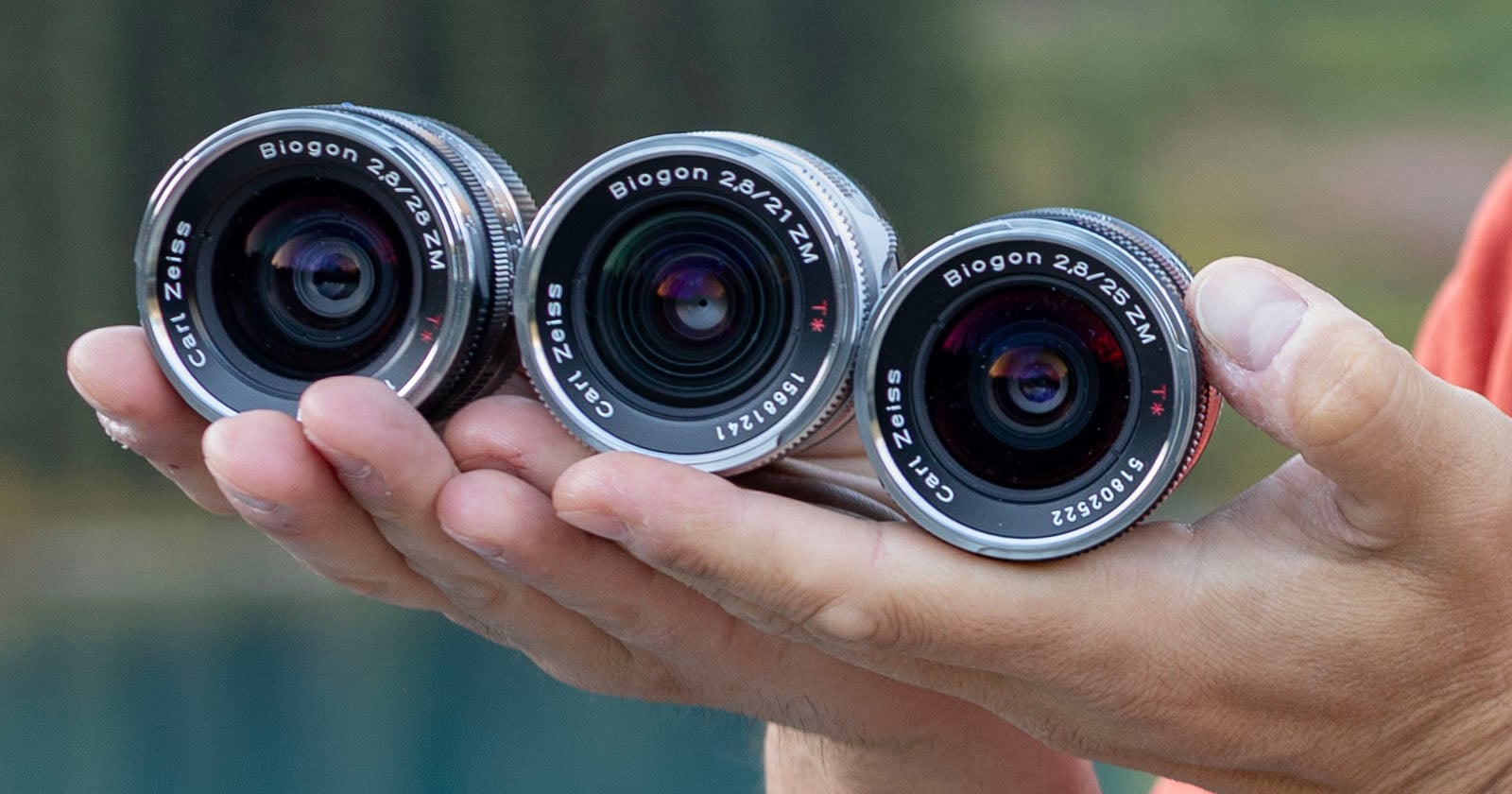
A few months ago on the PetaPixel Podcast, we did a lens draft where we had to pick our favorite lenses from a whole selection of choices. Naturally, this came with a lot of research, and as we delved deeper into reviews and ratings, we found that the Zeiss ZM lenses were some of the most highly reviewed lenses for that mount. This piqued our interest, and I was determined to find out why these lenses appeared to be so beloved.
Full disclosureThis story was made possible in partnership with Zeiss.
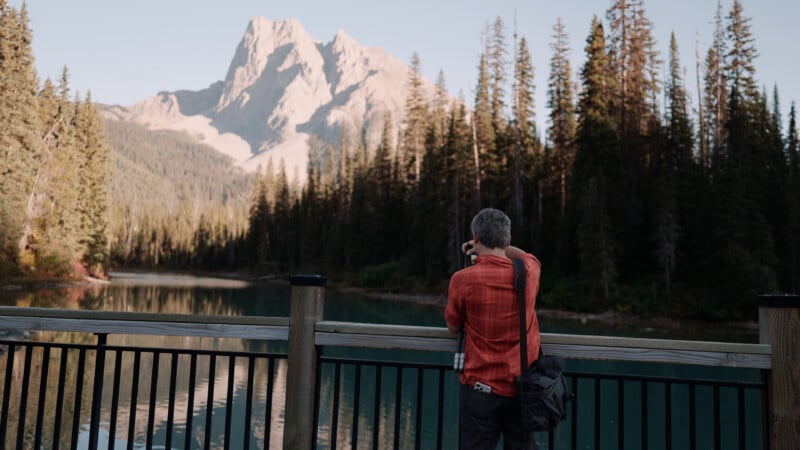
The ZM lenses were a series of Leica M-mount optics designed specifically to bring Zeiss expertise to the rangefinder market. Debuting in 2004, these lenses were initially designed for analog photography, but soon proved themselves on the latest digital M bodies as well. I had never tried these lenses myself, although I was familiar with the storied optical designs developed within the Zeiss design house.
After a short conversation with Zeiss, they agreed to work with us to produce a trio of episodes and articles where I would get to live out my wish and use these lenses for myself. So, in short order, we had a whole series of lenses on the way to play with.
Because we were dealing with three ultra-wide lenses, three 35mm optics, and a pair of 50mm lenses, I tackled all the glass over the span of three episodes. I didn’t approach these lenses as a gear review, but rather as a showcase about the fun of photography with excellent optics in front of my camera. I wanted to see what commonalities the Zeiss ZM lenses shared, and what the Zeiss magic was all about. I also intended to shoot these lenses in various locations around North America for the love of photography.
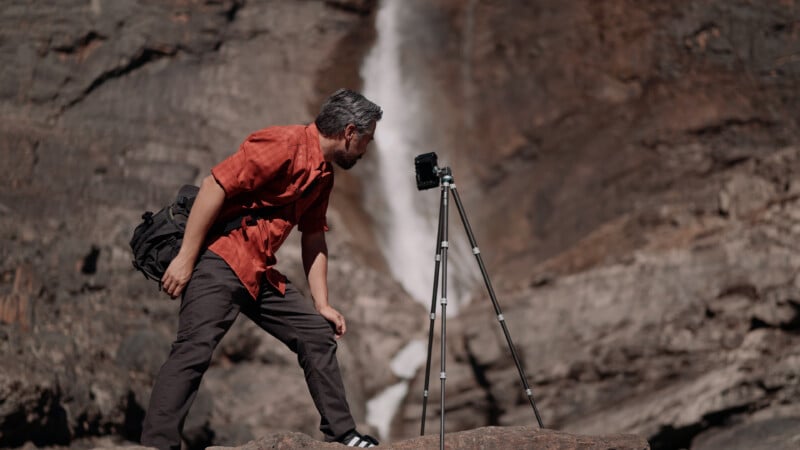
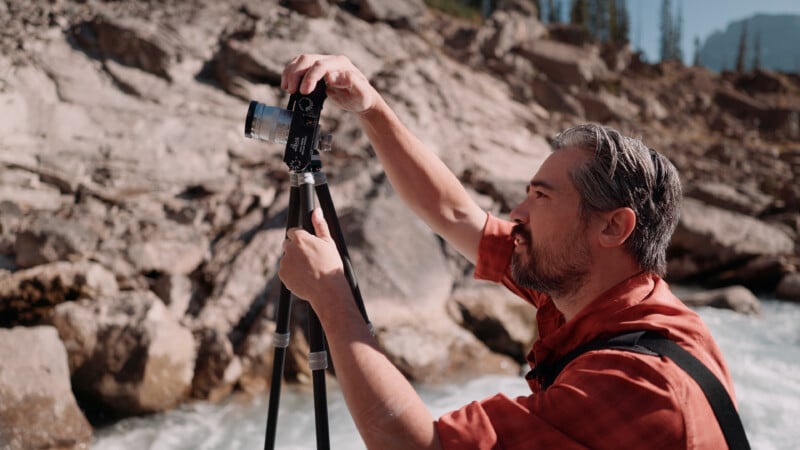
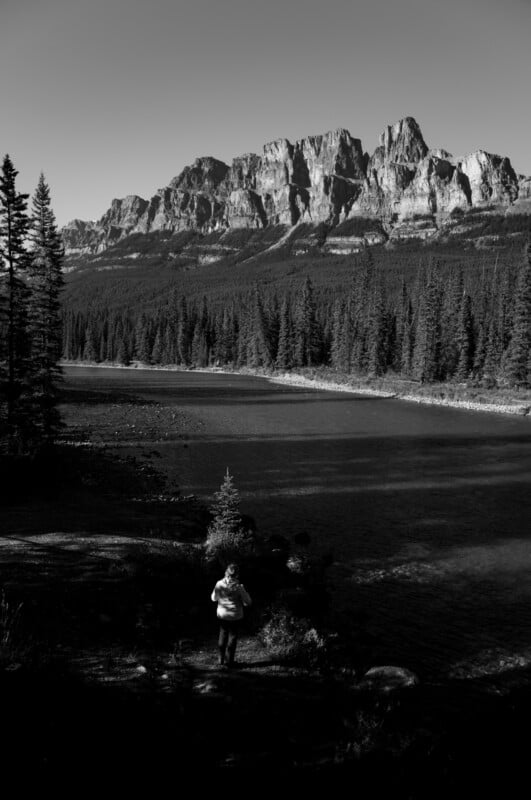
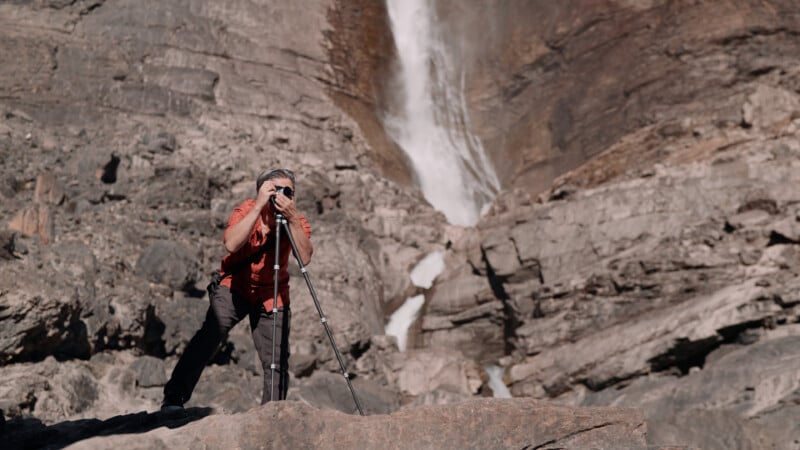
In the first of this three-part series, I took the wide-angle lenses into my own backyard, shooting landscapes among the majestic Rocky Mountains. This gave me a good use case for three different focal lengths that covered almost every panoramic vista I came across. The first lens I’m going to give my thoughts on is the Zeiss Biogon 21mm f/2.8 ZM.
Zeiss ZM Lenses: Zeiss Biogon 21mm f/2.8
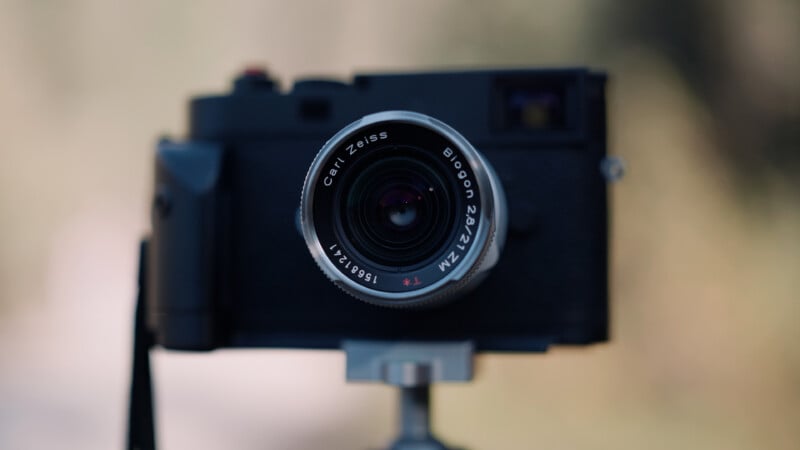
The 21mm f/2.8 is one of the first lenses Zeiss released for M-mount in 2004. At 10.6 ounces (300 grams), it was a little heavy, but manageable on the Leica M11 I used for testing.
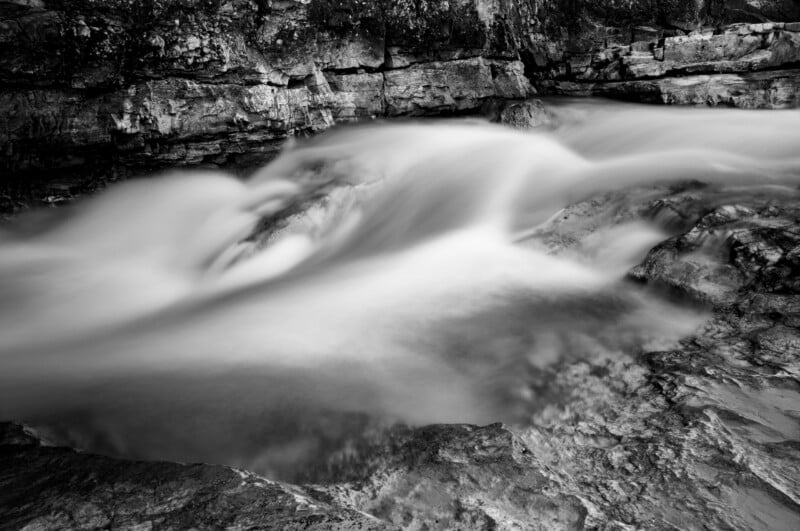
I expected the lens to be much larger than it actually was, given the ultra-wide focal length. I love that the 21mm lens uses compact 46mm filters because I have plenty from my M43 lenses, and I intended to do some long-exposure ND work. I found the 21mm to be solidly built and beautifully machined, with an aperture ring divided into third-stop increments and a very smooth manual focus ring.
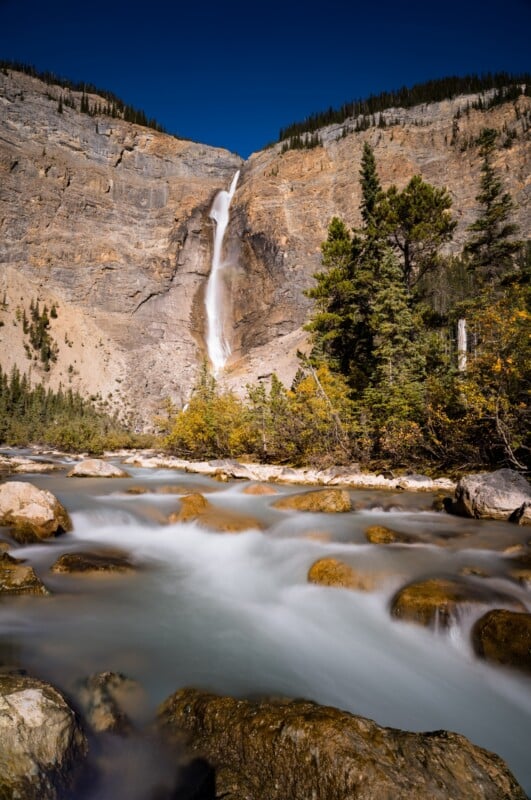
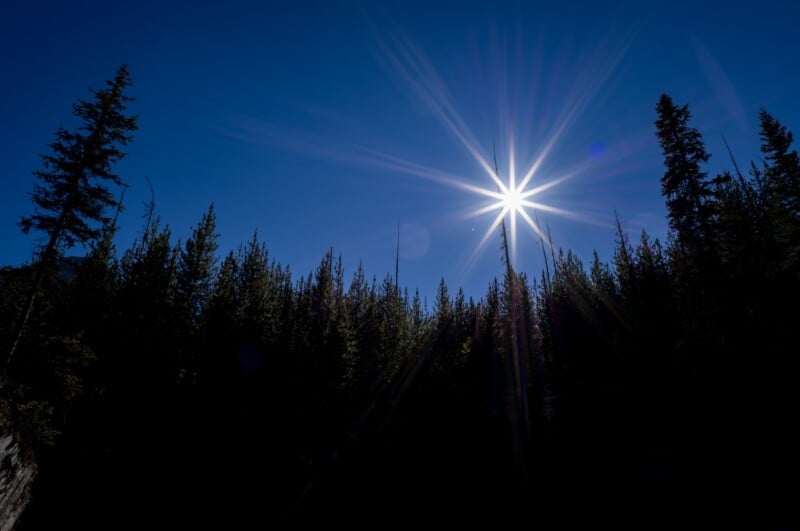

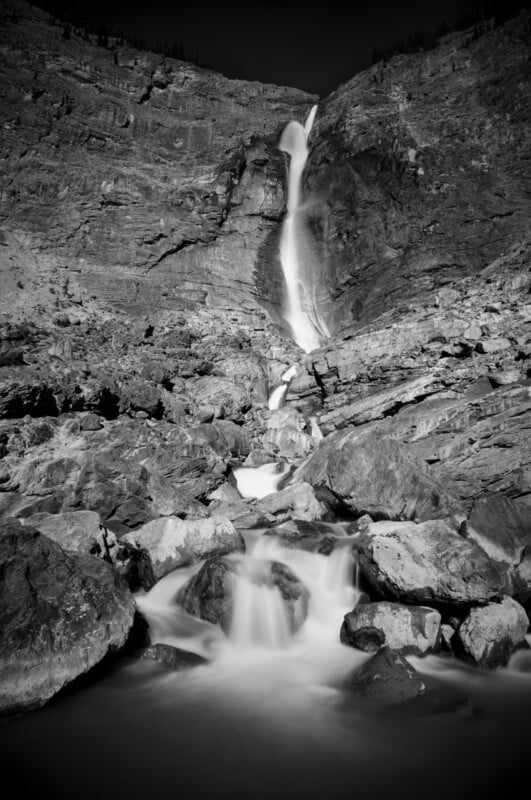
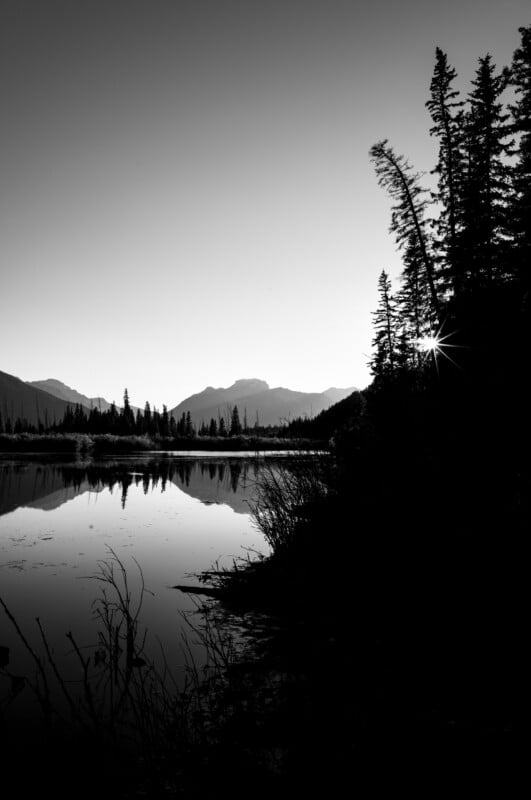
The 21mm is only a few millimeters longer dimensionally than the other lenses, and although it is visible in the rangefinder window, a rangefinder wouldn’t normally have frame lines for such a wide lens, and you would instead resort to an optical viewfinder. On the Leica M11, I simply used the digital LCD panel to compose, and found that ideal for focusing and precision framing. This lens was very sharp across the range, clean in its rendering of contrast, and highly resistant to flare. It also seems to have the most dynamic sunstars out of the three. I don’t normally use a lens as wide as 21mm, but I found that it was able to fully encompass some of the truly towering waterfalls within the frame, even up close.

Zeiss ZM Lenses: Zeiss Biogon 25mm f/2.8
The 25mm Biogon f/2.8 was the lens I reached for next, and it is a versatile and unique focal length that should perform well for landscapes and general photography. If I only had to pick one wide, this would be it.
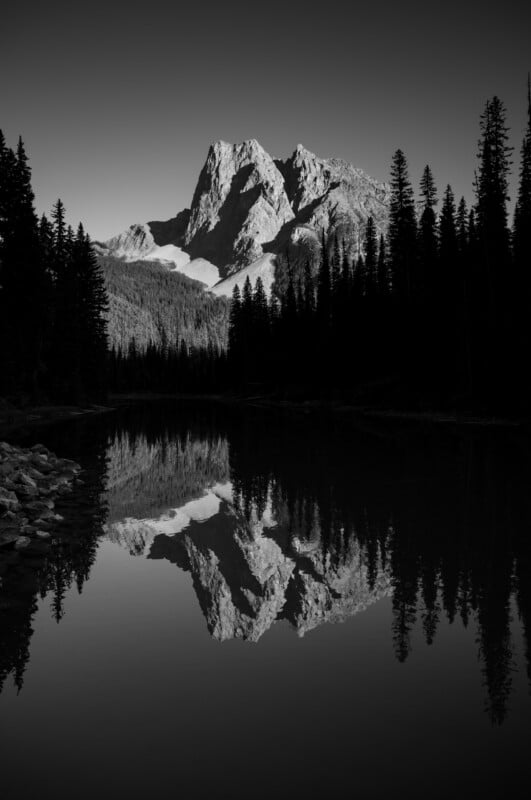
That doesn’t mean that 25mm is my favorite look, but it is a very versatile choice to handle most situations. In true Zeiss fashion, the images were clean, well-corrected, and sharp even wide open. I also noticed that Zeiss, overall, seems very well corrected for distortion. This certainly makes sense given that these lenses were made for analog film photography.
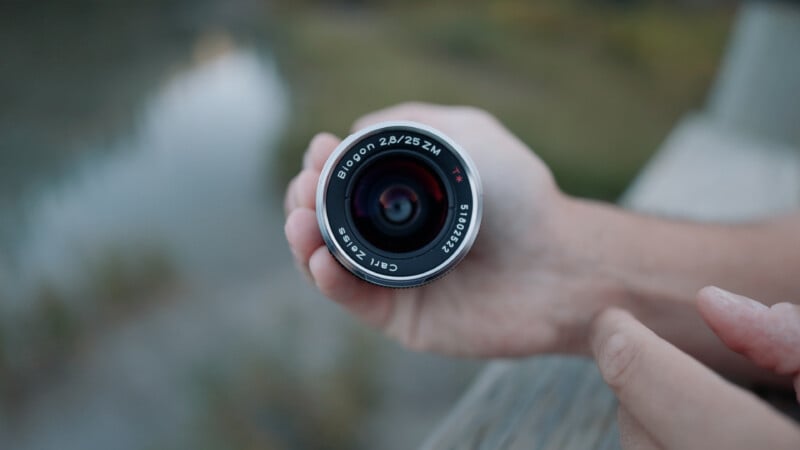

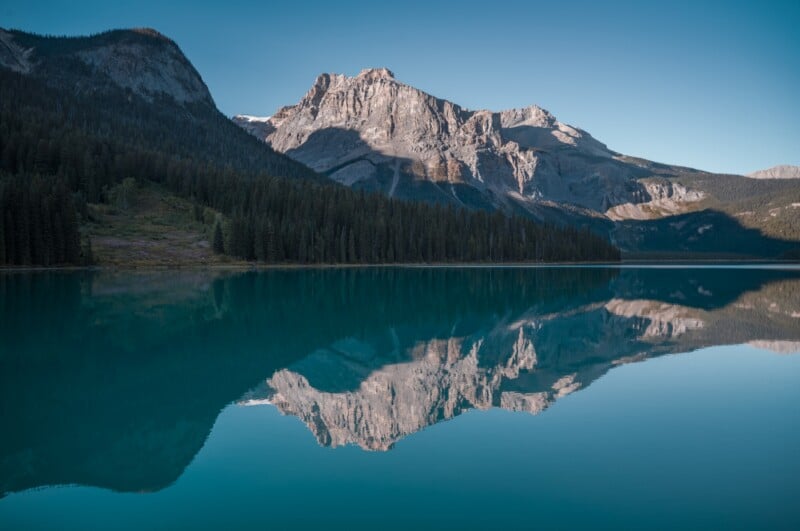
At only 9.2 ounces (260 grams), the 25mm is more manageable than the 21mm. I was even able to use the whole outside frame of the M11 as a rough guide without using an external viewfinder. This was accurate enough, though the edge of the lens showed up in the viewfinder. I could put all my 46mm filters on this lens, too, and the manual focus experience was nice. Zeiss lenses don’t come with a large focusing assist knob like you would see on Leica lenses, but there is a smaller machined nub that is easy for your finger to find. I think I’m just used to navigating so many different lens designs regularly that it wasn’t hard to adjust.
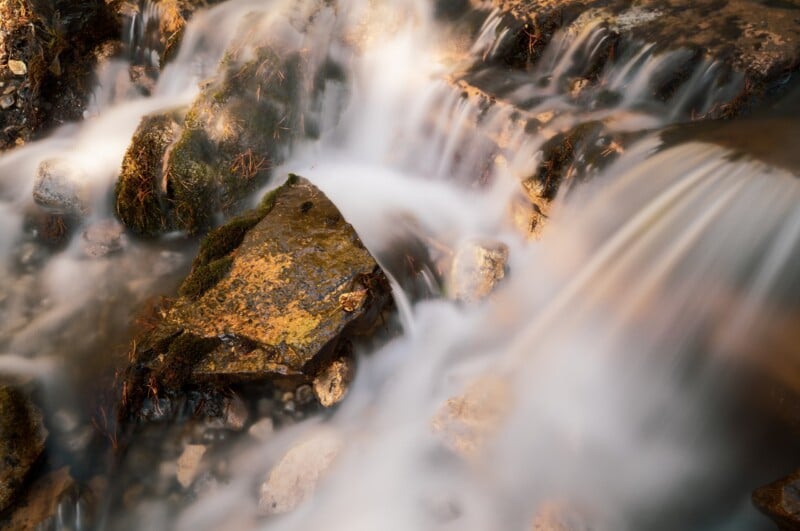
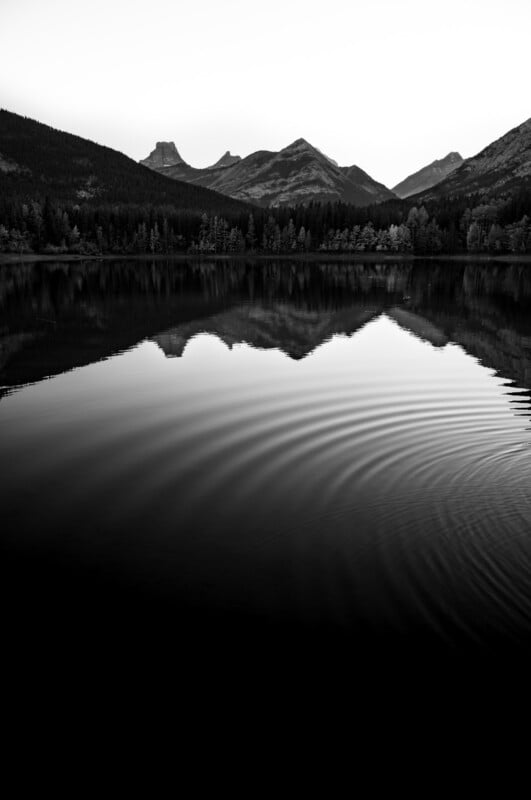
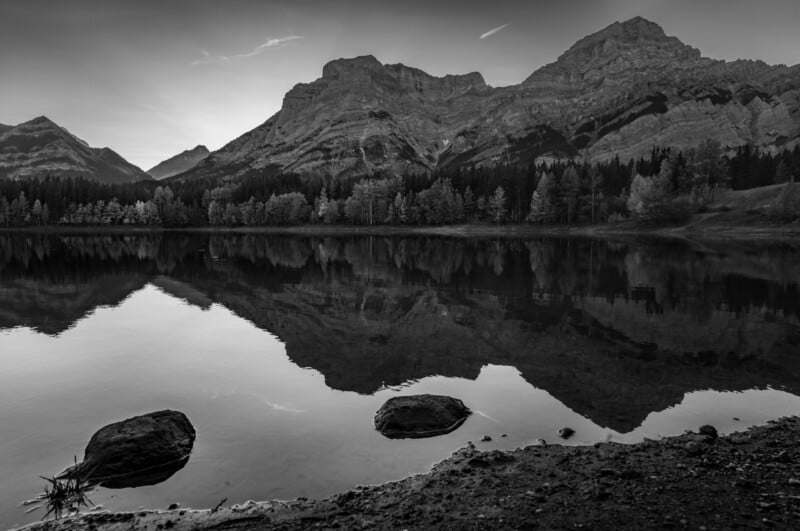
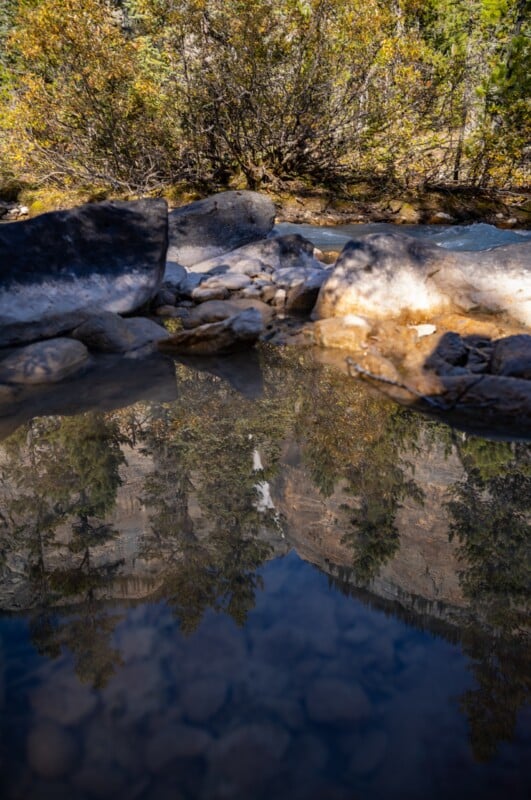
The 25mm proved quite flare-resistant, which is nice out in the sunny mountains. I could also get some nice separation from subjects at f/2.8 if I was close enough. It’s worth pointing out that many Zeiss lenses let you focus down to half a meter. At this range, you won’t get rangefinder-coupled focusing, but on digital bodies with an LCD, this is a non-issue. It is nice to be able to get a little closer to subjects with Zeiss lenses and get a different perspective than would normally be allowed. I got some nice shots from this general-purpose lens, but it was finally time to try the last one in the lineup.
Zeiss ZM Lenses: Zeiss Biogon 28mm f/2.8
The Zeiss Biogon 28mm f/2.8 was my favorite walk-around lens out of the three. It’s easy to crop tighter for street photography if I want a more normal look, and the size of the lens is compact.
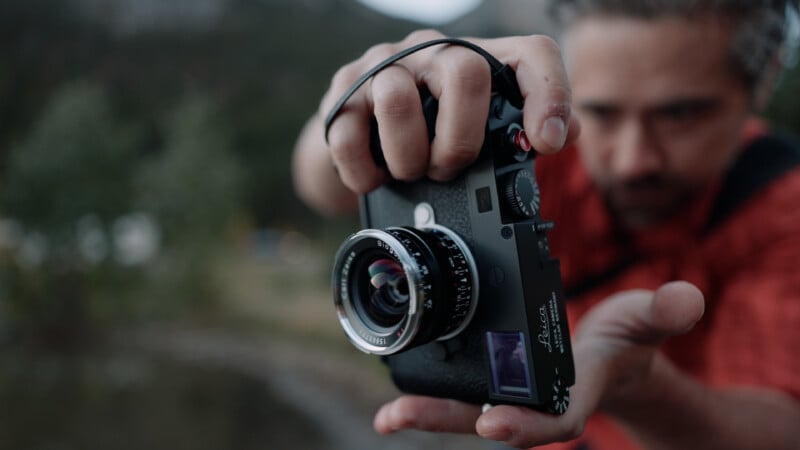
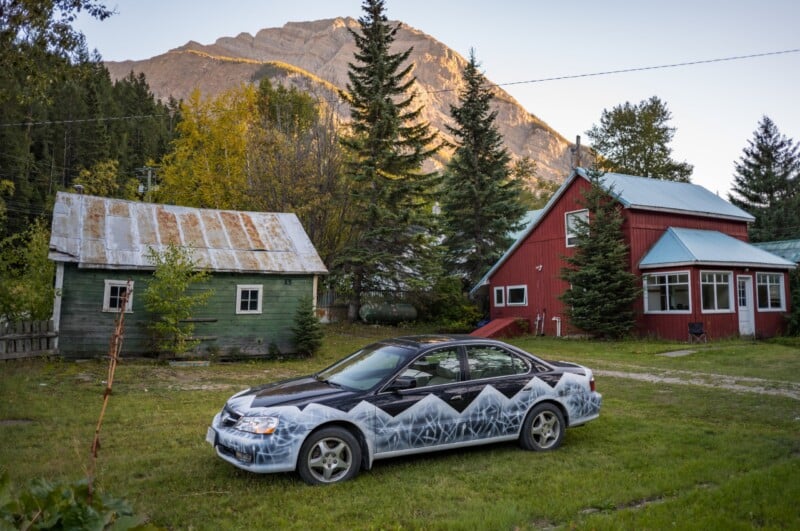
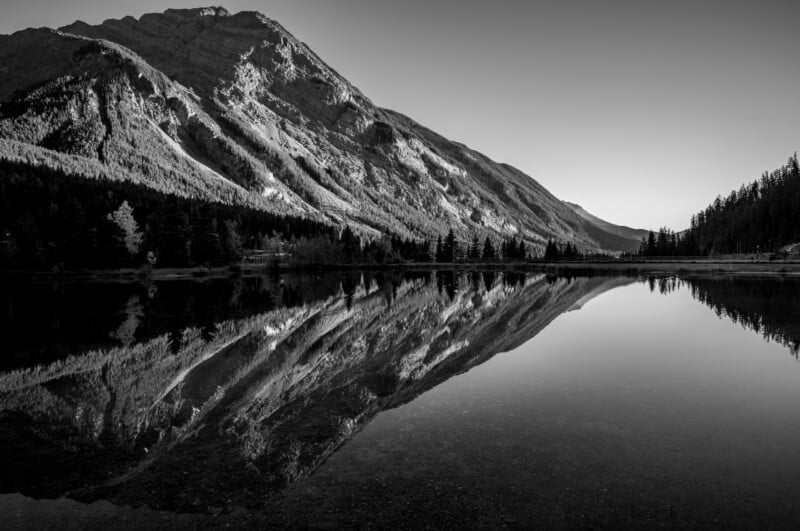
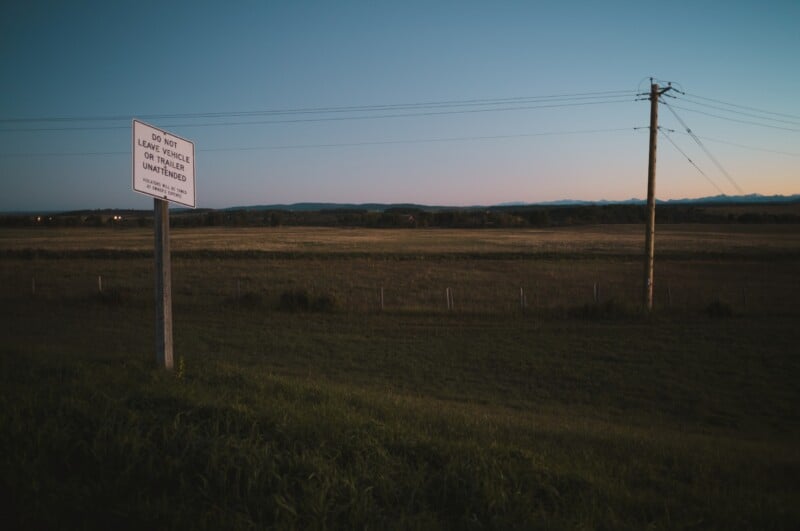
It only weighed 8.1 ounces (230 grams) and didn’t obstruct the viewfinder. It also engages with the 28mm frame lines. I loved this lens for more up-close work, but it worked surprisingly often for large vistas and towering mountains just the same. This little lens proved sharp and flare-resistant in all but the most oblique angles, with a really nice ability to push the background out of focus when closer to subjects.
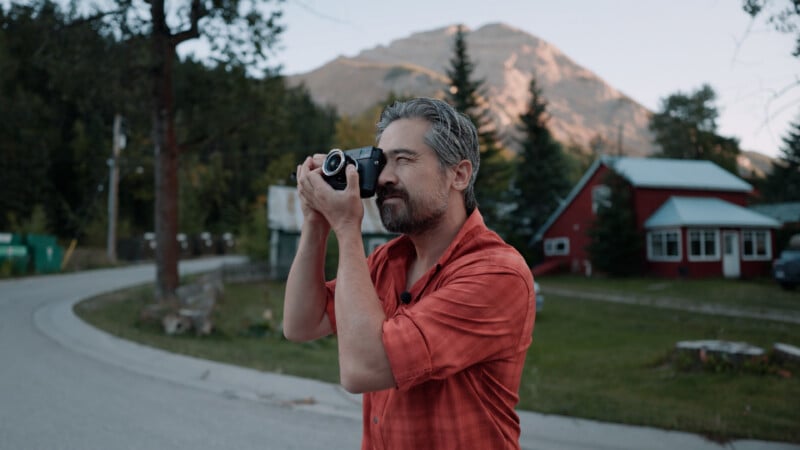
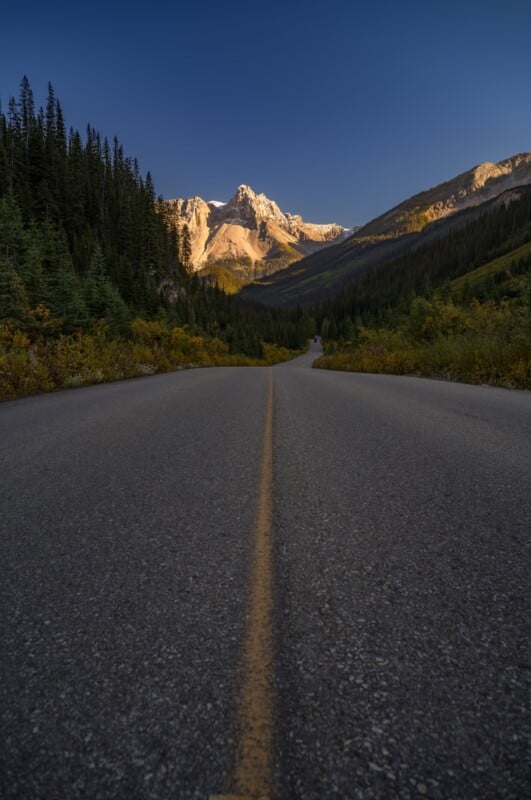

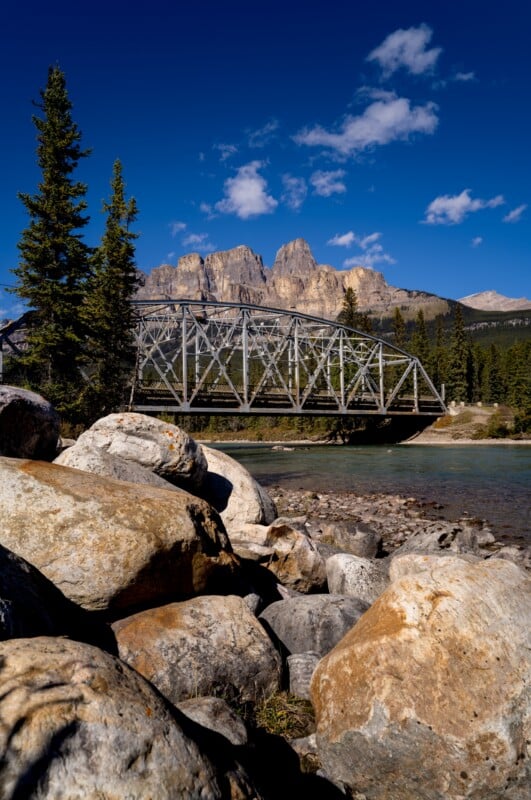
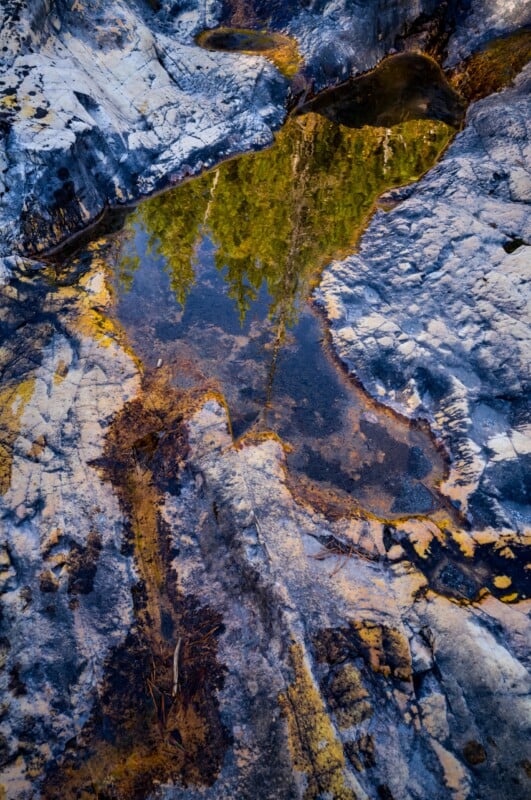
I personally gravitate toward the 28mm focal length for a lot of my personal work, so I felt right at home with this lens. As I mentioned earlier, I could shoot the 25mm with a fair amount of framing accuracy by using the whole Leica M11 rangefinder window. However, the 28mm was a more pleasant overall shooting experience because of its slightly smaller size and having proper frame lines to compose with in the camera. I also found it more fun for exploring small towns and closer subjects, whereas I tended to use the wider lenses for distant landscapes. The 28mm just felt handy and fun, with the same precise optical performance that I had on the other two lenses.

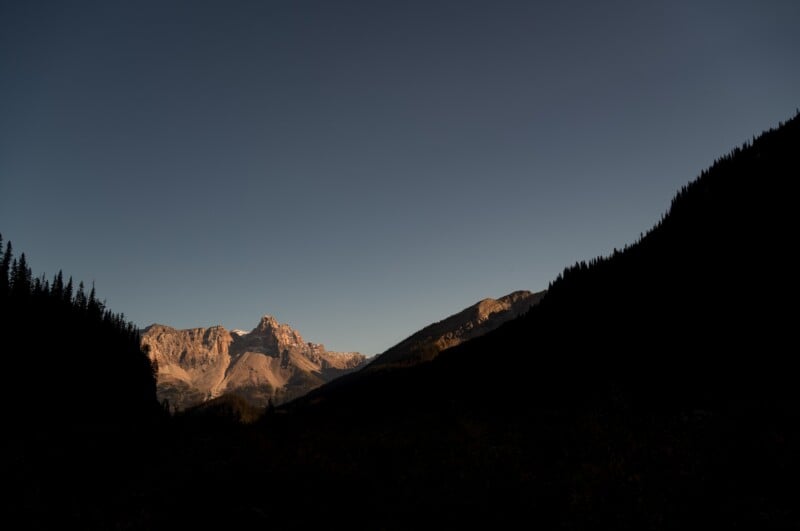
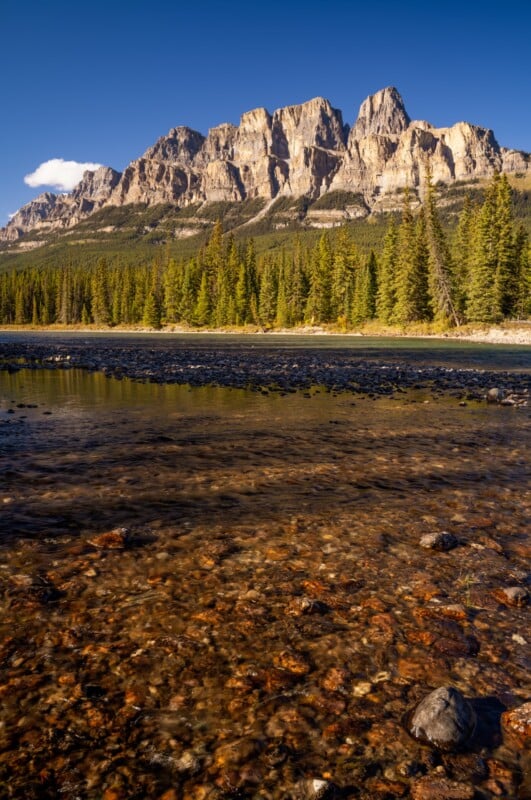
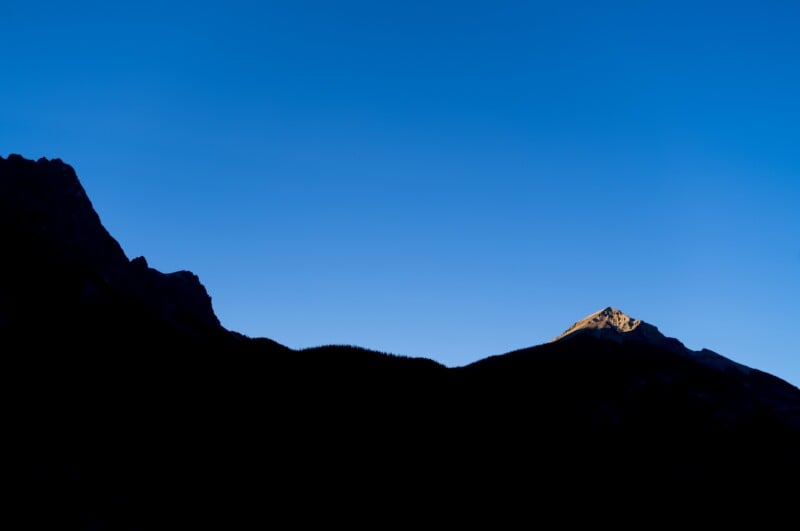
Zeiss ZM Lenses: Consistent Performance
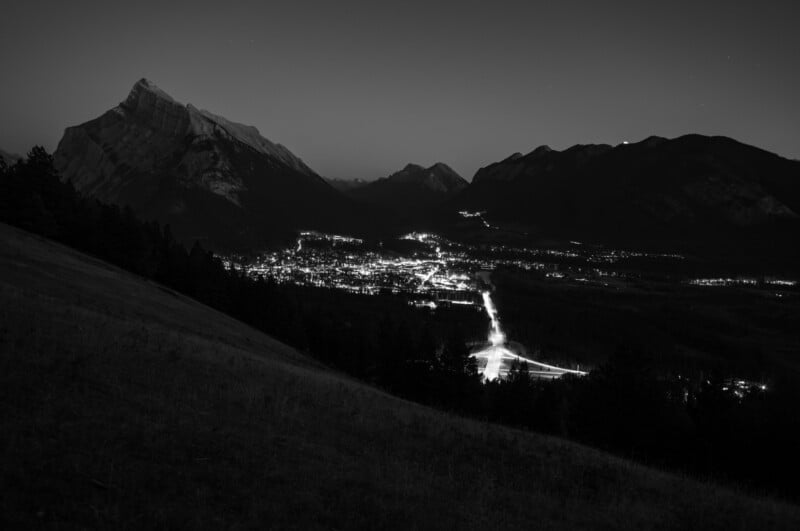
I soon found that all three wide angles seemed to have similar optical characteristics as far as contrast, sharpness, distortion, and flare management go. All three lenses support 46mm filters and are similar in physical size, too. I really based my decision on which one to use purely on the focal length and composition I required. If you did find yourself in a situation where you had all three lenses, it’s comforting to know that the character, color rendition, and high contrast across your photos will be consistent.
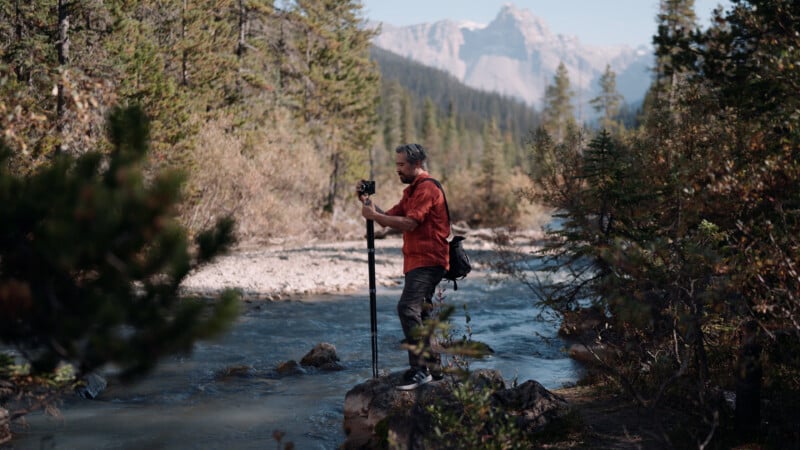
I left the mountains with a much better idea of what the Zeiss wide-angle lenses had to offer. All three of these lenses were about precision and ideal build quality. The manual focus rings all turned smoothly, and the aperture rings were easy to adjust. It really comes down to which look you would prefer out of the focal lengths. Either way you choose, you win.
I found the Zeiss shooting experience very pleasing and looked forward to the next episode, where I would tackle three different lenses that were all the same focal length, but with very different light-gathering capabilities. If the Zeiss wide-angle lenses were an exercise in consistent performance, maybe the 35mm lenses would be an adventure in artistic character.
Keep a watchful eye out for the other episodes where I find out everything that the full Zeiss ZM line has to offer.
Full disclosureThis story was made possible in partnership with Zeiss.
Affiliate Disclosure PetaPixel articles may include affiliate links; we may earn a commission if you buy through one.