
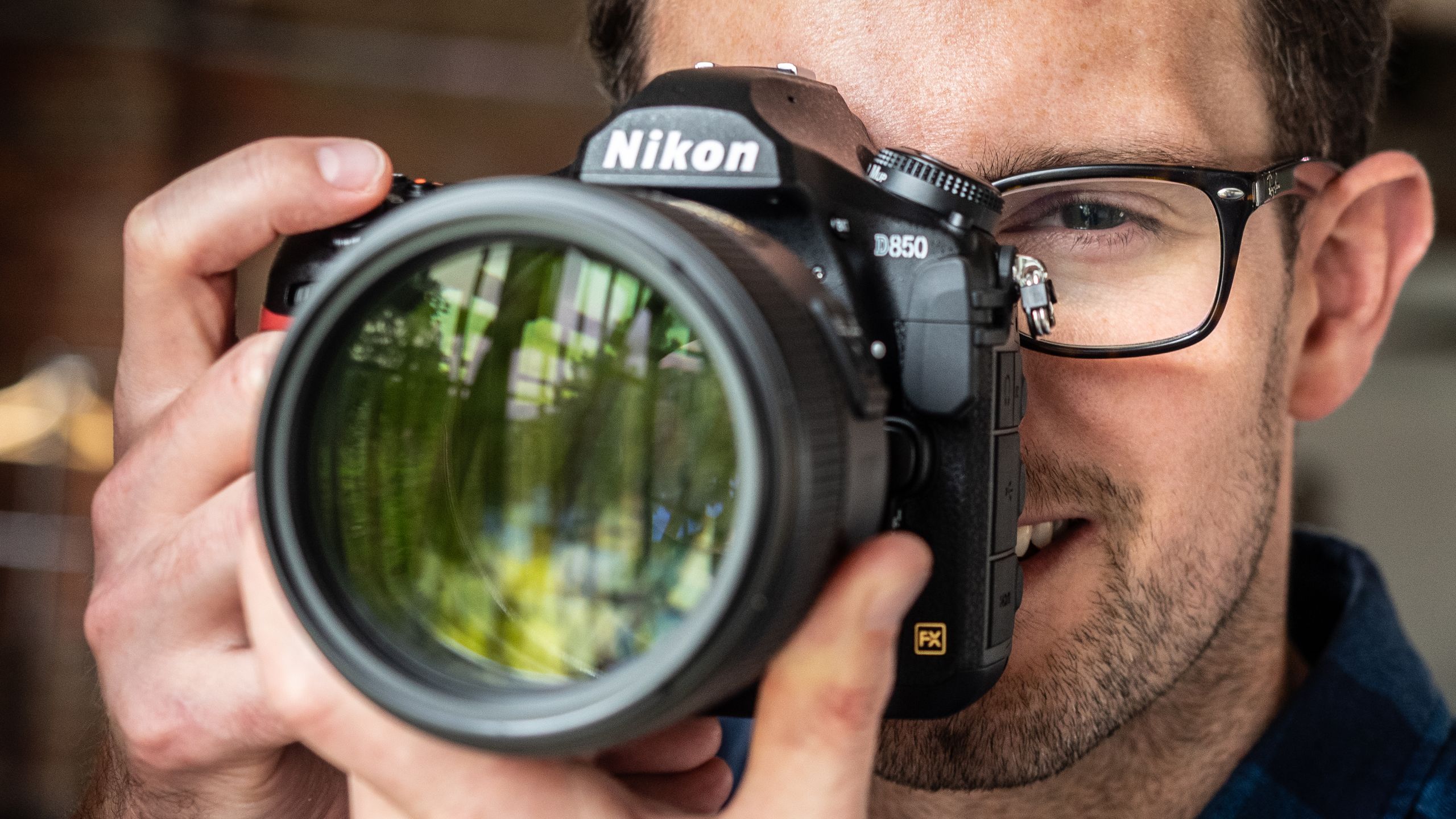
Yes, DSLR shipments may have fallen 30% year-on-year while fixed lens compact shipments have risen by the same amount. But DSLRs didn’t stop being good overnight simply because the market shifted to smaller alternatives.
There’s also been a recent twist. Pentax has teased a whole new concept for the DSLR format, while simultaneously ceasing production of every one of its current models. By doing so it’s generated confusion and excitement in equal measure.
The message is clear: photographers shouldn’t consign the DSLR to history just yet.
Latest Videos FromDigital Camera World
Plus, if we frame DSLR as a ‘classic’ format, while outlining the reason why it deserves to stick around, not instead of, but as well as competing options, including mirrorless cameras, maybe that will be enough to placate the DSLR’s haters.
Sure, we’ve long been conditioned to believe ‘mirrorless = good / DSLR = bad’. But the sensible response is that they’re both simply different paths photographers take to arrive at the same destination.
So, to cut to the chase, why is it still worth considering purchasing and still using a DSLR in 2026?
For those on a budget, a DSLR is often the very definition of a best buy. Though Canon products tend to depreciate the least, a declining market for DSLRs means that there are used bargains to be had; not just regarding the camera bodies but all the accessories that go with them.
It’s inarguable that you can now kit out a full-frame DSLR for far less than what the latest mirrorless system costs, making DSLRs the perfect back-up body option.
Then there are also operational considerations – and bonuses.
One thing I really appreciate about still using a DSLR is the large and bright optical viewfinder, as opposed to an EVF or LCD screen, the latter of which reflects and is tricky to view in strong sunlight.
Plus, because an EVF or LCD is not constantly draining my camera’s juice, I can shoot all day on a DSLR without fretting that dreaded low battery warning. So, using an optical viewfinder doesn’t boil down to personal preference or nostalgia.
Next, there is the DSLR’s typically deep and chunky handgrip that provides a nice counterbalance to whichever lens is currently in use. It just feels right. Likewise, in the DSLR’s favor is a durable build quality that, unlike most mirrorless bodies, doesn’t compromise on ergonomics to hit a certain size and weight.
Yes, I fully understand that sometimes a camera that is lighter and more compact, including my go-to Olympus PEN Lite E-PL7, is more appealing as an everyday device to stash in the glovebox, while features of contemporary mirrorless cameras such as AI-enhanced subject tracking and 4K/6K/8K video recording also add a degree of future-proofing. I get it.
But equally, for those who don’t feel the need to constantly have the latest and greatest – valuing more a setup that reliably does the job and does it well – a DSLR that is reassuringly rugged and more professional-feeling still holds major appeal.
And as I’ve noted before, just because DSLR and mirrorless systems both exist, I don’t feel the need to take sides and use one exclusively over the other. Despite all the money put behind manufacturers’ marketing push.
So, the message is shoot smart… and not just with whatever is currently on trend.
Check out the best DSLRs that you can still buy today