

I’ve started to notice an unusual trend popping up in my social media feed: Photographers are giving new life to decades-old DSLRs by adding custom firmware that gives the old cameras different film stocks to choose from.
Photographers using custom firmware for cameras isn’t particularly new – firmware hacks date back well over a decade to mods like the Canon Hack Development Kit and the reverse-engineered Magic Lantern software for Canon DSLRs.
Latest Videos FromDigital Camera World
In many cases, the custom firmware is vibe-coded, built with coding assistance from artificial intelligence. Using AI to make photos look like film feels both like an oxymoron and like the most 2026 thing ever. And yet, as a collector of old cameras and someone who bought my current camera (a Fujifilm) specifically for the film simulations, the idea of bringing new life to an old DSLR is intriguing.
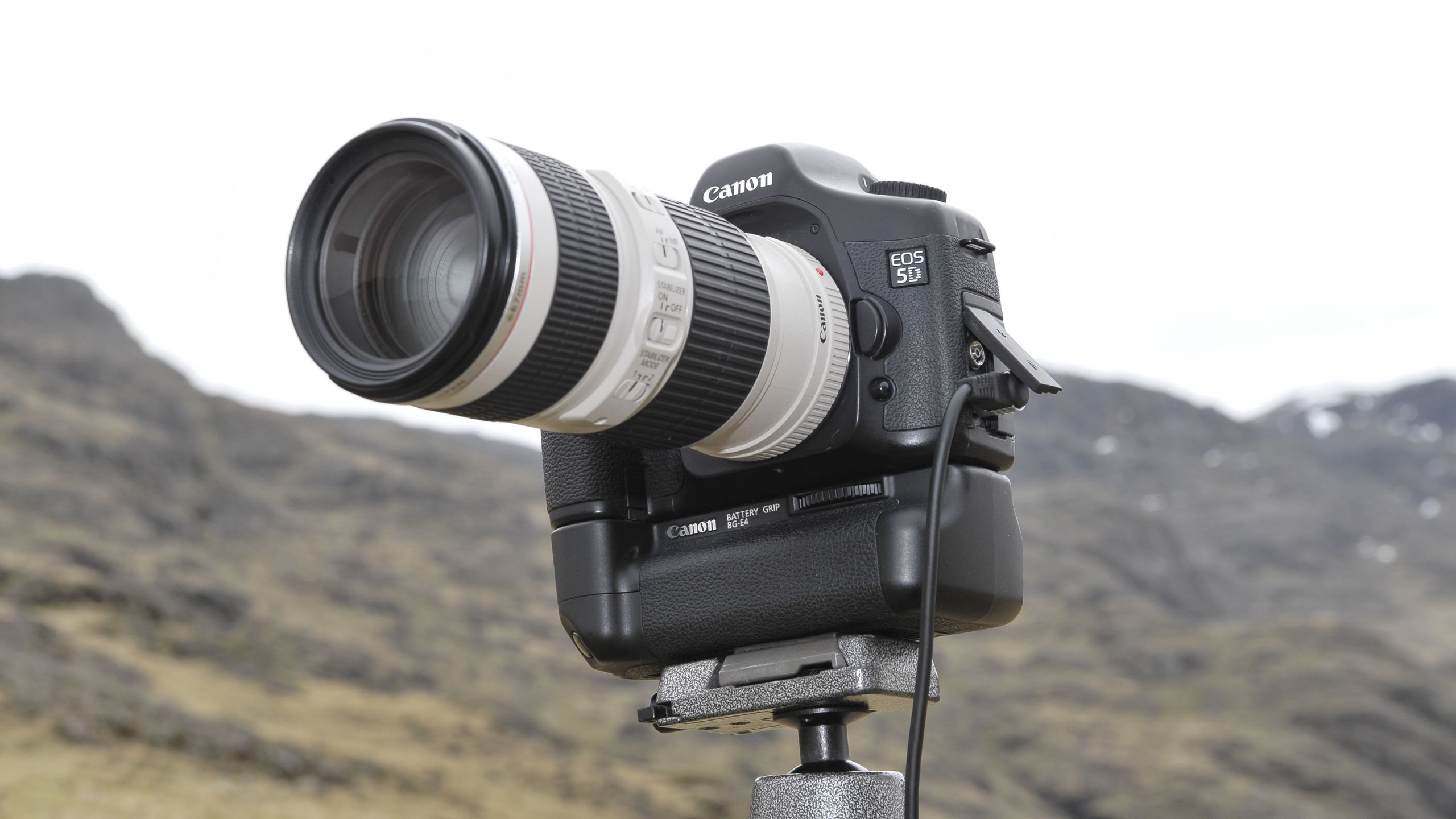
Custom firmware carries the risk of potentially bricking the camera and, in many cases, could void the warranty on a newer camera. Which is likely why the vibe coding trend seems to be drawn to older cameras, like the 2005 Canon EOS 5D – bricking an old DSLR that doesn’t cost much and is already well out of warranty comes with less of a risk. That and, with the custom firmware designed for an old-school look, using an older camera just makes sense.
One photographer on Reddit shared a beta vibe-coded hack called Soup Engine for the Canon EOS 5D that builds on Magic Lantern to give the camera 13 different looks inspired by film stocks. The looks are applied to JPEGs, while the RAW file is untouched.
In another hack, software company Latent Studios is working on firmware that puts the company’s film-inspired desktop RAW photo editor into the Canon EOS 5D and 5D Mark II. But beyond the look of the photos themselves, the software also locks photographers into a “roll” for that look.
Photographer Florin Kirtescu developed a similar hack for the Canon EOS 6D, built from Magic Lantern, that adds film-inspired looks, including color and lab-like adjustments for pushing and pulling and correcting for light sources. The firmware, called Film Roll, also limits photographers to rolls of 12, 24, or 36 shots. The software lives on the SD card, so photographers can theoretically pull the card out and use a different one (or format the card) for the camera to function normally again.
While those hacks use Canon DSLRs, other photographers on Reddit have reported trying hacked firmware with other camera brands. The Phoblographer’s Chris Gampat hacked an old Sony A7 to bring back the PlayMemories App support.
Locking the camera into a color preset for the length of a typical roll of film reminds me of another trend: the screen-free camera. Some screen-free cameras have similar tools that are designed with the limitations of film.
The Fujifilm X Half’s film mode, for example, won’t show creators the files or allow for swapping the film simulation until after a roll is finished and “developed.” Truly screenless cameras like the Flashback One35 V2 are also based around the concept of digital “rolls.”
Beyond the older CCD sensors and look of older DSLRs, the creators behind some of the hacks are also drawn to 21-year-old DSLRs because the slower performance of much older tech feels closer to film than modern cameras.
Personally, I wouldn’t even consider a firmware update that wasn’t sanctioned by the manufacturer itself on a modern camera. But on a camera that was otherwise sitting on a shelf and not getting any use? The idea is far more intriguing.
You may also like
Explore the best DSLRs, or take a look at the best screen-free cameras.