



The Amsterdam municipal government has made its stance increasingly clear: fewer visitors spending more time and money on meaningful experiences, rather than masses passing through for a quick photo and a beer. That policy direction has consequences for every touroperator, travel agent and DMC with Amsterdam in its portfolio.
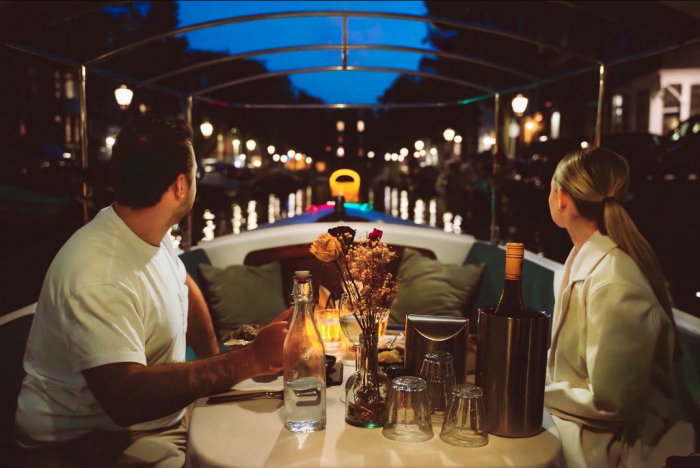
One visible effect is a growing appetite among visitors for intimate, curated experiences that feel distinct from standard sightseeing. Options such as dinner on a private canal boat, small-group cultural walks, and neighbourhood-focused food tours have gained traction as travellers look for ways to engage with the city beyond its most crowded corridors. This shift is not accidental. It is a direct result of the space that municipal policy has created.
Why the City Chose Restriction Over Expansion
Amsterdam’s relationship with tourism soured visibly in the years following the pandemic recovery, when visitor numbers bounced back faster than many residents welcomed. The city’s “Stay Away” messaging, initially targeting stag parties and drug tourists, broadened into a wider rethink of how many visitors the canal district could absorb. As reported by the city’s official tourism platform, Amsterdam now actively steers visitors toward lesser-known neighbourhoods and off-peak periods.
The decision to phase out large cruise ships from the central terminal removed a significant source of day-trippers who contributed relatively little to the local economy. Tourist tax increases, meanwhile, have made budget-focused mass tourism less financially attractive. Together, these policies favour operators who bring smaller groups willing to spend on quality rather than volume.
Niche Operators Are Filling the Vacuum
Where large-scale sightseeing companies have had to adapt or scale down, smaller operators have found room to grow. Canal boat experiences designed for couples or private groups, for instance, can navigate narrow waterways and pass under low bridges that standard rondvaart vessels cannot reach. That physical advantage has become a commercial one, as travellers increasingly value exclusivity and access to hidden corners of the city.
Romantictouramsterdam.com is one example of this niche approach, offering private canal tours with storytelling and personalised touches aimed specifically at couples. Their small salon boats operate in exactly the kind of intimate format that Amsterdam’s new tourism ethos encourages. Operators in this mould tend to score well on review platforms because the experience feels personal rather than transactional.
The trend extends beyond the water. Walking tour companies focusing on Amsterdam’s architectural history, independent art galleries offering private viewings, and chefs hosting canal-side dining experiences for small parties are all benefiting from the same dynamic. The common thread is a move away from standardised, high-volume formats.
What Travel Professionals Should Take from This Shift
For travel agents and touroperators packaging Amsterdam, the practical implications are significant. Clients expecting cheap, easy access to the city centre via cruise or budget coach may find the economics less favourable than a few years ago. Recommending private canal boat dining, neighbourhood tours, or cultural experiences outside the Grachtengordel is no longer just an upsell tactic. It aligns with what the city itself is prioritising.
The opportunity lies in repositioning Amsterdam not as a city you pass through, but one you settle into. A couple booking a private evening on the canals, complete with a local storyteller at the helm, represents exactly the type of visitor Amsterdam wants. That is a far easier sell than it was five years ago, when the default association was still Red Light District walking tours and overcrowded Damrak selfies.
A Market Rewarding Depth Over Volume
Amsterdam’s regulatory environment in 2026 makes it one of the clearest case studies in Europe of a destination actively curating its visitor profile. Cities like Venice, Barcelona and Dubrovnik have experimented with similar measures, but Amsterdam’s approach has been notably consistent across multiple policy areas simultaneously. The hotel construction freeze in the city centre, still in effect, further limits supply-side growth for mass tourism.
Travel professionals who adapt their Amsterdam offering toward smaller groups, longer stays and experience-rich itineraries are better positioned than those still relying on volume-based models. The city has made its preference unmistakable, and the operators thriving there reflect that preference in every booking they take.


