



Key Points
- At least 27 flights were disrupted Thursday in the second wave of bomb threats in a week, with fighter escorts in France and Bulgaria and aircraft searched in Madrid. No explosives were found and no government has named a culprit.
- The cost sits with the airlines. Each threat acted on means a diversion or halted departure, a full search, often a replacement aircraft, crew hours exhausted, and rebooking — and insurance typically doesn’t cover those commercial losses, Skift has reported.
- The threats land on top of jet fuel prices that have more than doubled from a year ago, Middle East airspace closures lengthening Asia routes, and drone incursions at airports.
Summary
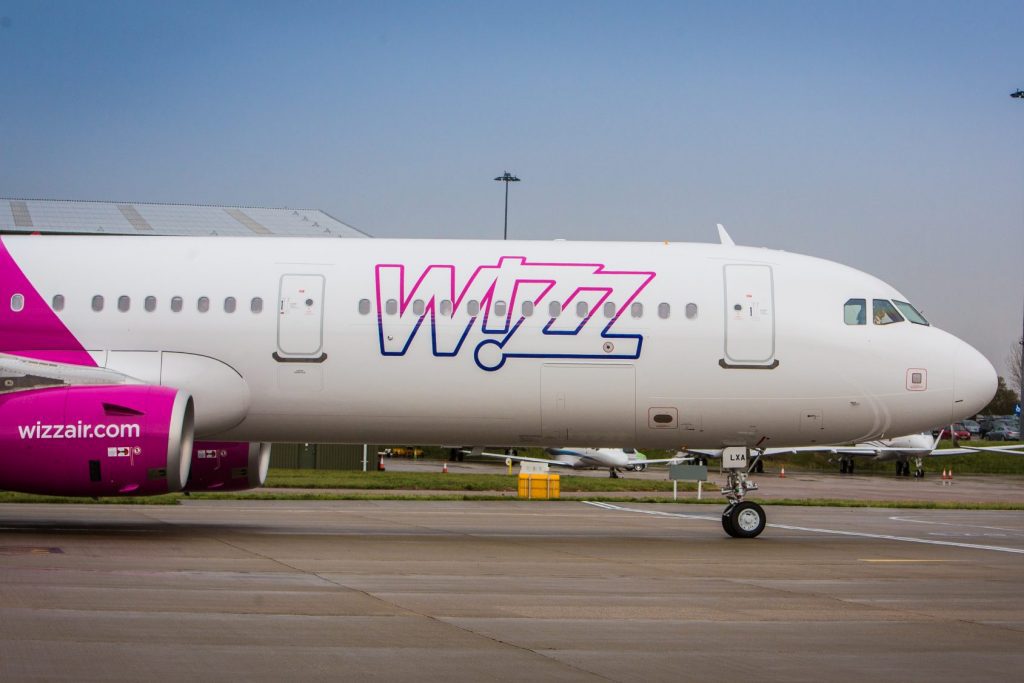
At least 27 flights across Europe were disrupted Thursday by bomb threats, the second wave in a week, and no explosives were found in any case. French fighter jets intercepted an Aer Lingus Dublin–Rome flight carrying more than 150 passengers and escorted it to an air base in Normandy, Bulgaria’s air force escorted three airliners to the ground, and Madrid authorities searched Air Europa and Iberia aircraft after receiving three emailed threats in under 20 minutes. Earlier threats on Monday and Tuesday hit flights operated by Wizz Air, Ryanair, LOT, and Scandinavian Airlines, plus a cruise ship in Greece. No government has said who is responsible, and Bloomberg reported no pattern in the carriers or routes targeted. Matthew Borie of Osprey Flight Solutions told the AP the threats could be copycats, a single person or group, or “hybrid warfare” by state actors, and pointed to a possible Russian link; Moscow has denied European accusations of sabotage this year. The operational math is the problem: each threat an airline acts on means a diversion or stopped departure, a full search, often a replacement aircraft, crews timing out, and passengers rebooked — and Skift has reported that insurance typically doesn’t cover those commercial losses. The hoaxes arrive while European carriers are already absorbing jet fuel prices that have more than doubled year over year, Middle East airspace closures that lengthen Asia routes, and drone incursions at airports.