



Recipes for responsible tourism success were on the menu during the third day of WTM London as speakers shared tips about how to “hide the lentils in the cake”.
The first session on the Experience Hub featured sustainability experts debating whether labels in the sector were useful or a hindrance – as well as sharing examples of good practice with “hiding the lentils”.
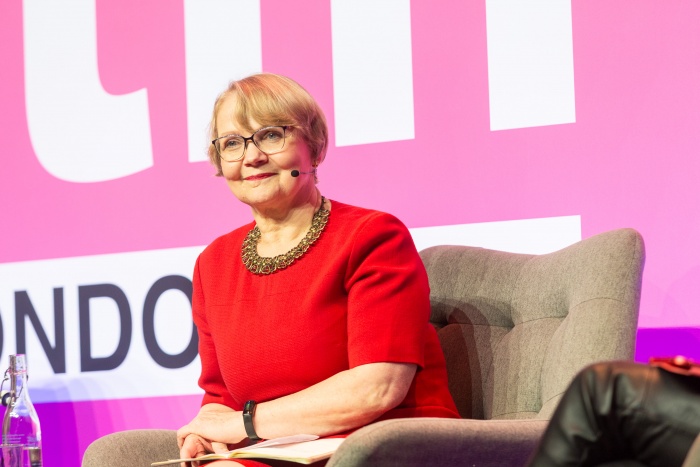
Debbie Hindle, Chair of the International Centre for Responsible Tourism Global, commented: “[Sustainability] should be innate…but we should be telling consumers about the experience and the emotion, not putting a label on it.
“However, in the industry, internally, we need the labels in order to have those conversations.
“Think about the experience and tell the ‘cake’ story.”
Sofya Muhrer-Muromets, Head of Sustainability at Evaneos, which offers tours with local travel agencies, said: “We want to make sustainable, responsible travel as a default; we do ourselves a disservice saying ‘it is responsible’ as that makes it a niche. Any trip should be responsible and sustainable.”
She highlighted how her company created lower-carbon itineraries in Indonesia with trains instead of flights, called ‘Beyond the Cliches’.
“To the customer, we’re selling a more tasty, juicy cake…but with so many lentils,” she added.
Tinu Mathur, Founder of Mathur & Co, said: “Let’s shed labels such as sustainable, ethical and responsible – it’s just ‘travel’.”
He highlighted a large hotel chain where all the staff would tap on their hearts as they passed colleagues as an indicator of their levels of service.
“The underlying principle is love. We love what we do and want to protect [the environment] for future generations,” he said.
The panellists also see new European legislation on “greenwashing” as the chance to revisit marketing and website content – and to tell more stories instead of just using “eco” labels.
“It’s a pain in the ass but it makes us stop and think how we can communicate better,” said Muhrer-Muromets.
Jamie Burr, Founder at responsible travel community Panoco, said: “It comes down to selling the experience…show rather than tell.”
In a session called ‘Creative Tourism: Better Experiences, New Value Ecosystems’, speakers highlighted how destinations are offering more meaningful experiences that create value for visitors, local communities and tourism companies.
Caroline Couret, President at Creative Tourism Network, said creative tourism experiences can adapt to many sectors, from backpacking to business meetings and luxury travel.
She showcased the example of Cannes, which offers many local handicraft experiences to boost visitor numbers.
“Be sincere. Be aware that you don’t have to have the Eiffel Tower but maybe you have people who bake bread, or weave, or offer percussion masterclasses – be proud of what you have,” she advised.
Other options could range from pottery workshops to photography routes, floral art sessions, dance lessons and wine-tasting.
Claire Singer, Founder at Claire Singer Ltd, said destinations that can offer meaningful, authentic experiences that are not cliches will appeal to local as well as international visitors.
Aidy Smith, TV presenter and journalist, shared advice about long-form content, which can showcase destinations with “emotional relevance” for his readers, listeners and viewers – who range from gay men to people with Tourette syndrome and mums with kids who have ADHD.
Furthermore, his long-form content, such as a 45-minute podcast, can also be trimmed to create short clips for social media to draw in more people. He urged delegates to be relevant, offer “authentic charm” and avoid “cookie cutter” solutions – but also to learn as much as possible about how to be “savvy” with AI.
Ash Bhardwaj, a journalist and presenter who has reported for outlets such as the BBC, The Telegraph, The Times, and Condé Nast Traveller, talked about leadership through good storytelling, gleaned from his travel career and time as a British Army reserve officer.
He’s also the author of Why We Travel and explained the 12 main reasons that people travel – ranging from curiosity to hedonism, wonder, healing and hope.
Furthermore, humans have evolved to be storytellers – and stories elicit responses that release hormones such as oxytocin, dopamine and endorphins.
He cited the example of President Zelenskyy, who remained in Kyiv after the Russian invasion of Ukraine, telling a story through his actions and inspiring the Ukrainians. The president also tailored his stories to each audience as he travelled abroad, echoing Winston Churchill in World War Two, for example, when talking to the British parliament.
Bhardwaj also showcased how the tourist board in New Zealand supported its attractions to help create stories and develop a narrative to promote the destination.


