

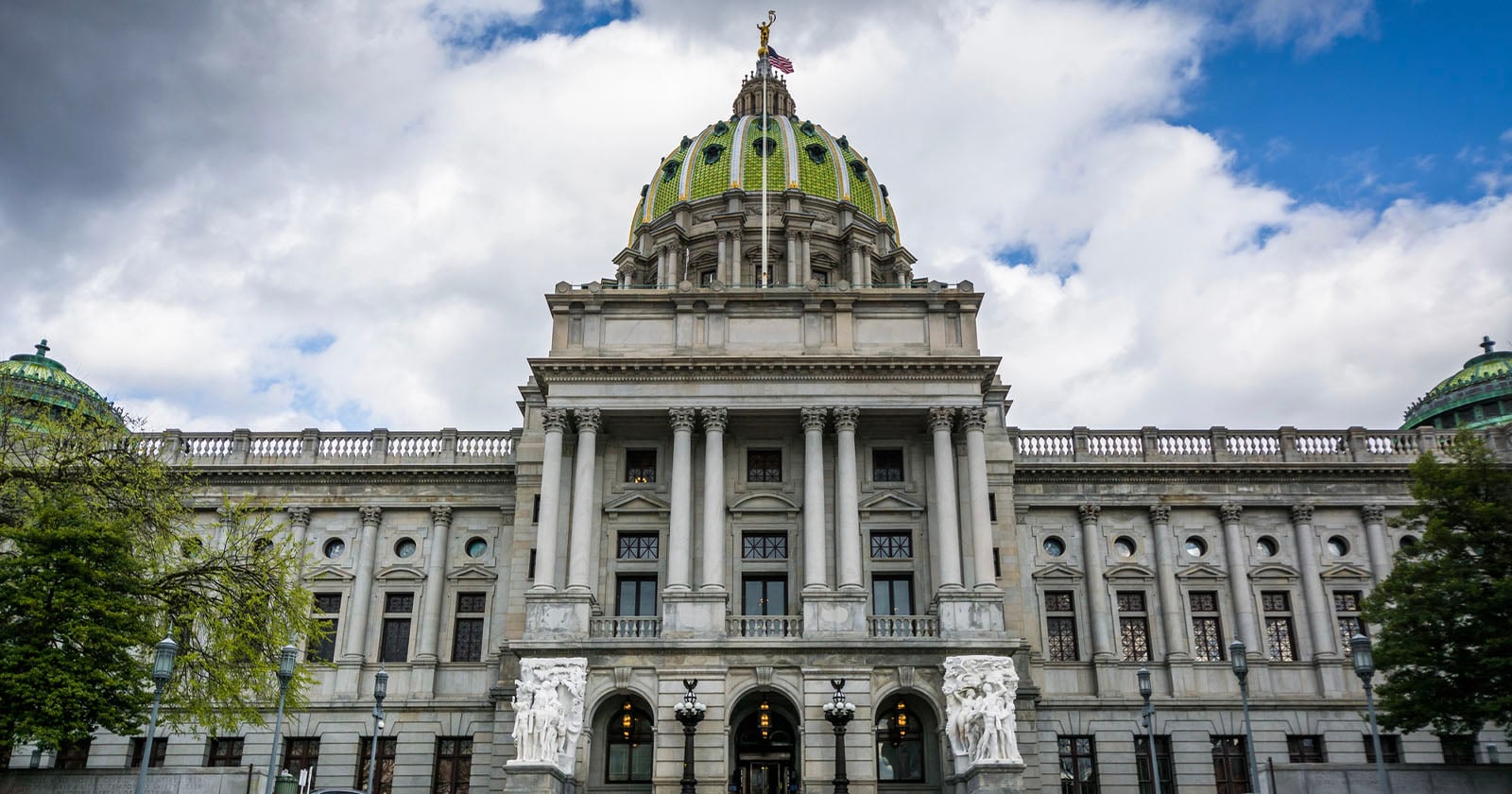
Pennsylvania has enacted a law requiring advertisers to disclose when their ads contain content generated or significantly modified by AI.
According to CBS News, Governor Josh Shapiro signed the Artificial Intelligence Deceptive Advertising Act on Thursday, with the law set to take effect in 60 days. The measure applies to advertisements in formats including images, video, audio, and text, requiring disclosures in the same format as the advertisement.
“If you see an advertisement on Facebook or the internet somewhere and it was generated by AI, they have to put a disclaimer at the bottom that says this was generated by AI,” says State Senator Nick Pisciottano, who sponsored the legislation.
The law is intended to address concerns about misleading advertising as AI-generated content becomes more common across digital platforms and traditional media. Businesses, including restaurants and food delivery apps, have increasingly used AI-generated images to promote their products, raising questions about whether advertisements accurately represent what consumers can expect.
“It’s really to protect consumers,” Pisciottano adds.
He also warns that advances in AI could make it increasingly difficult for consumers to distinguish authentic material from fabricated content.
“This technology is only going to get better and better, and eventually, it’s going to get to the point where it’s very difficult to differentiate between something that’s real or fake,” he says.
The legislation applies to advertisements displayed in Pennsylvania regardless of where they were produced. As a result, advertisements created outside the state, including television commercials, may also need to carry disclosures if they are shown to Pennsylvania audiences.
The bill’s language prohibits advertisers from distributing advertisements that use synthetic content to create a false impression about the nature, origin, or authenticity of a product or service without a clear disclosure stating that AI was used to modify or generate the content.
The Verge notes that questions remain about how the law will be interpreted and enforced. Terms such as “significantly modified” leave room for interpretation, while exemptions for parody, satire, commentary, and criticism could limit the circumstances in which disclosures are required. The law also exempts content considered evidently fictional, although the precise meaning of that standard is not clearly defined.
Enforcement falls to the Pennsylvania Office of Attorney General. Pisciottano says violations could result in fines and potentially jail time, but penalties would target AI companies rather than individual users. Companies would be responsible for ensuring that the required disclosures accompany AI-generated advertising.
“When we were working through this bill, we heard from some consumer groups that represent older folks who are just not as technologically literate who were getting scammed because of some of this fake AI advertising,” Pisciottano tells CBS News.
The law places Pennsylvania among the first states to establish disclosure requirements specifically for AI-generated advertisements. Pisciottano says he expects similar measures to emerge elsewhere as governments respond to concerns about the technology’s use in commercial messaging.
“Pennsylvania moved fast on this,” Pisciottano adds. “There’s only a couple of other states that have these kinds of requirements right now, but I think you’re going to see either the federal government or a ton of states do something similar.”
Image creditsHeader photo licensed via Depositphotos.
Affiliate Disclosure PetaPixel articles may include affiliate links; we may earn a commission if you buy through one.