



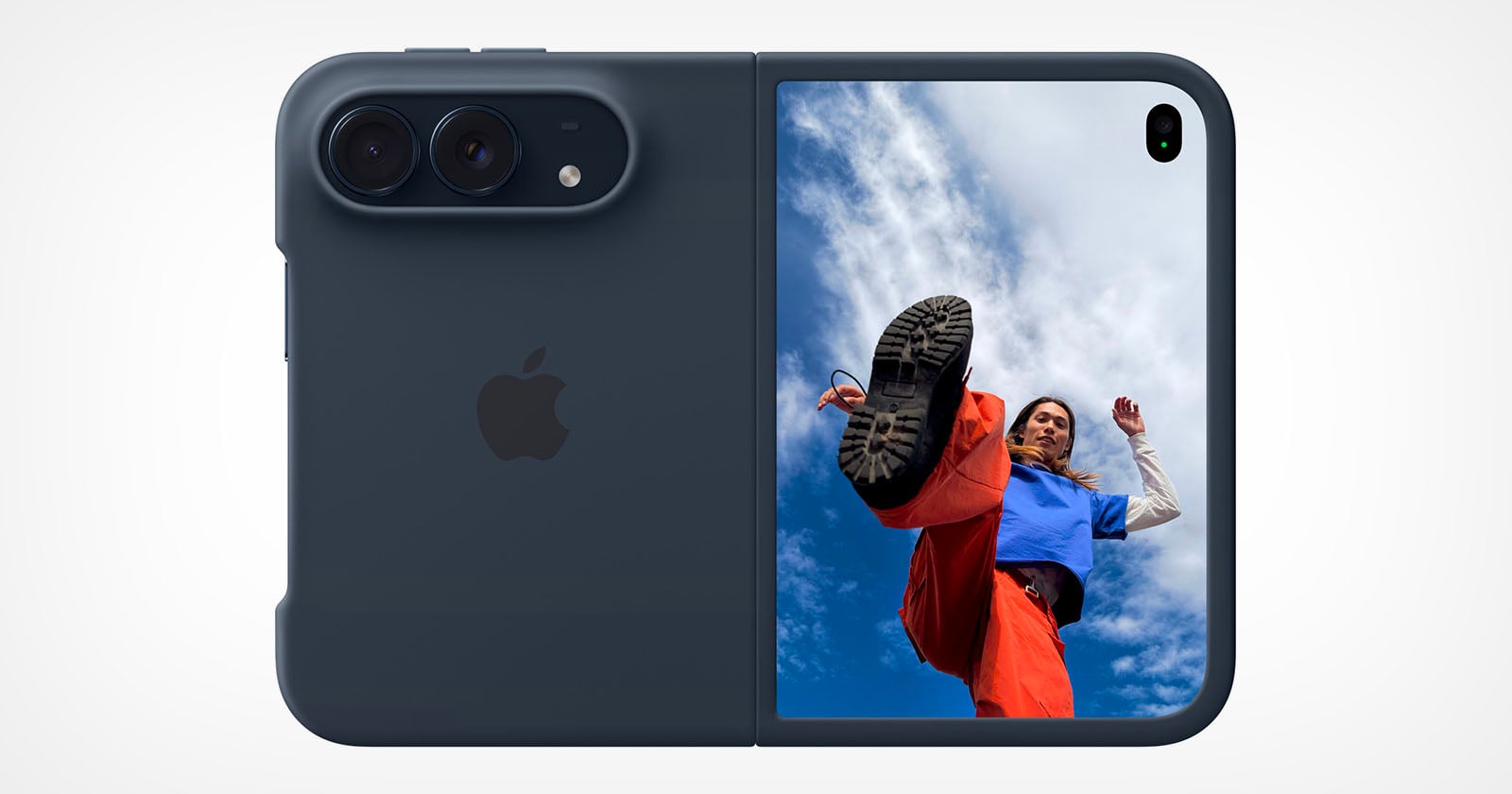
With Apple’s debut foldable phone, the iPhone Duo, launching tomorrow, the internet has been buzzing about Apple’s iPhone Duo Case and how sticky it is. Yes, it’s unprecedented for Apple to make an adhesive iPhone case, but it’s common for foldable phone cases.
For many iPhone Duo buyers, it will be their first foldable smartphone. It’s entirely understandable that someone who’s used a range of iPhone models, likely protected by official cases, is caught off-guard by Apple’s silicone Duo case having adhesives. It’s an admittedly un-Apple design trait.
The iPhone Duo Case comes in two parts: a more traditional case that goes on the back of the phone, protecting everything but the camera module, and a second, much smaller, narrower case that wraps around the edge of the top cover, which the user unfolds to expose the large inner screen.
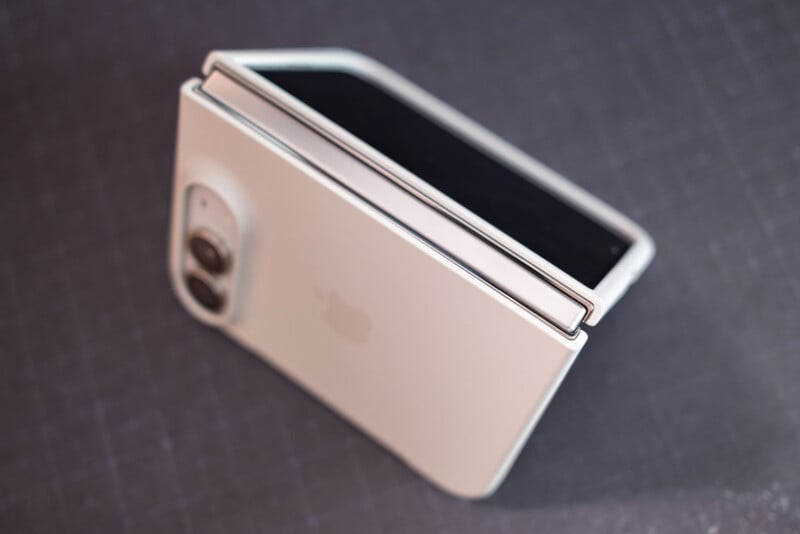
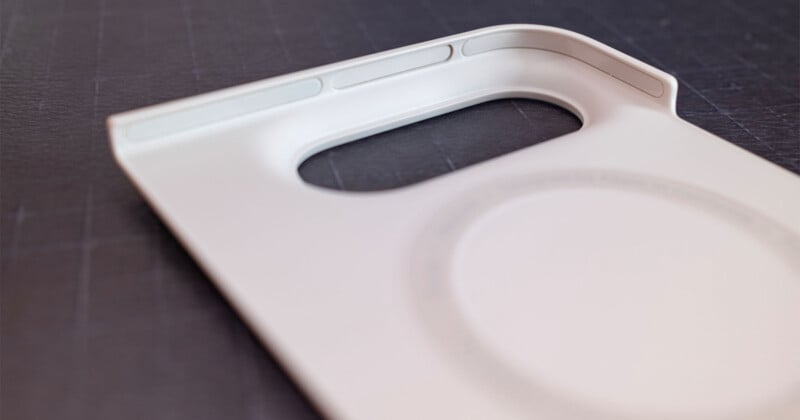
The top cover case is very thin, especially on the hinge side, since it doesn’t cover the iPhone Duo’s titanium hinge design at all. Without the adhesive, the case would be at risk of detaching from the phone.
As PetaPixel‘s editor-in-chief, Jaron Schneider, explains, the case’s adhesive area is small and not aggressively sticky. It’s tacky enough to stay in place on the phone, but it doesn’t leave any permanent residue behind when removed, nor is it challenging to remove intentionally. The small amount of residue left behind wipes off easily, like fingerprints.
Apple’s other iPhone Duo case, the Folio With Kickstand, is much less a case and more like a screen protector and accessory stand. It’s entirely magnetic but doesn’t protect the edge of the Duo at all. Unlike the more traditional iPhone Duo Case, the Folio really only protects the front and back of the phone. Schneider also found himself removing it a lot, because it’s thick.
Schneider also has some of Spigen’s iPhone Duo cases around, and they have adhesives, too. Schneider added that those cases have more sticky areas inside, and they even ship with extra stickers users can reapply if needed, like if they routinely remove the case to clean their phone.
Over on the dedicated iPhone Duo subreddit, user currywarrior20 has built a community-based spreadsheet that includes details over 60 different iPhone Duo cases, including Apple’s own options, plus models from Torras, ESR, dbrand, Benks, Spigen, Latercase, Mous, Ridge, Nomad, Speck, Casetify, OtterBox, and more. Sandmarc’s new iPhone Duo case isn’t on the list, but it does look sharp.
The spreadsheet includes specs, price, whether the phone covers the hinge (like some of Spigen’s cases do), materials, and whether it uses adhesive. Of the 62 cases in the spreadsheet so far, only a dozen are confirmed to not use adhesive, although it’s unknown how many cases work as of yet.
@ParkerOrtolani wait it has stickers?! thought it was magnetic
— Dylan (@DylanMcD8) October 16, 2026
Admittedly, it’s normal for foldable phone cases to use adhesives, but Apple’s own product listing doesn’t mention any adhesives. In fact, it says that it uses magnets that “align perfectly with iPhone Duo.” While that doesn’t mean it uses magnets exclusively, that’s how some customers understood the messaging, which has led to confusion.
Some worry the case will become less sticky over time if users routinely remove their iPhone Duo case. However, while that could be true, it’s not necessarily common for people to constantly remove their phone case.
Although some people online are ready to call this situation “casegate,” a much safer, reasoned bet is that most people will get their iPhone Duo Case, see the adhesive, and think nothing of it once the case is installed. Or they could get the $129 iPhone Duo Folio with Kickstand, which doesn’t use adhesive. It doesn’t wrap around the phone at all, and instead really does connect just using magnets. No confusion there, unless like the expletive-happy Insane Clown Posse, you don’t understand magnets.
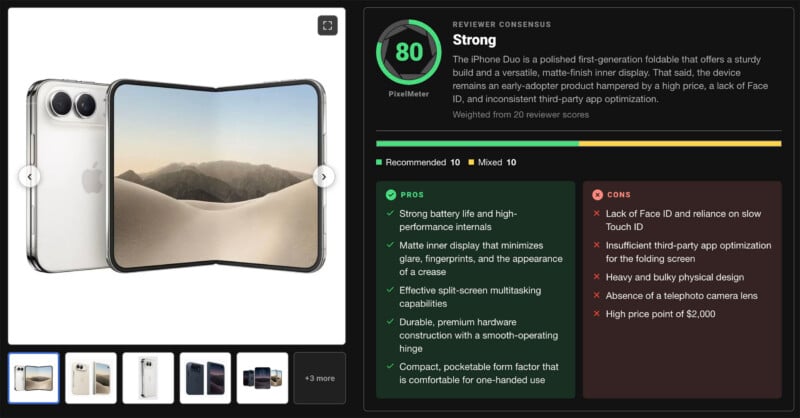
Image creditsApple and Jaron Schneider
Affiliate Disclosure PetaPixel articles may include affiliate links; we may earn a commission if you buy through one.