



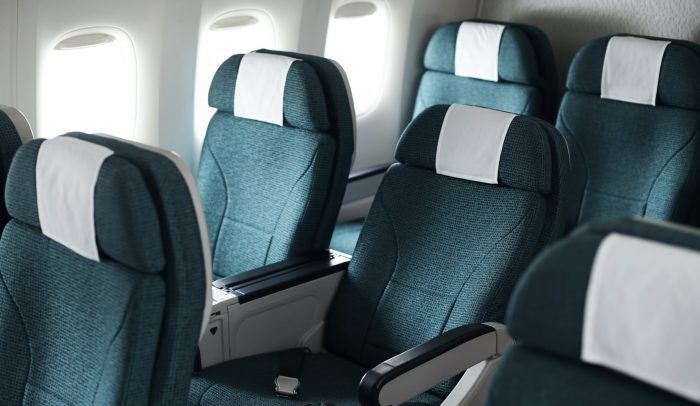
Airlines are racing to reinvent luxury flying, but corporate travellers could be heading in the opposite direction. British Airways is unveiling redesigned premium cabins, Emirates is introducing electrically powered Premium Economy seating with adjustable privacy screens, and Cathay Pacific is investing in upgraded seating and connectivity as part of a $19 billion programme. Yet as the aviation industry spends billions making journeys more comfortable, new research from Dragonpass, the global travel and lifestyle benefits platform supporting more than 45 million members worldwide, illustrates the potential consequences of overlooking the employee journey. Is the gap between the travel experience airlines are building and the one businesses are willing to pay for becoming increasingly difficult to ignore?
The contradiction comes amid mounting pressure on British businesses and employees. Reuters reported on 13 October that 68% of UK CFOs now consider cutting costs a strong priority, compared with 53% in the previous quarter. But Dragonpass’ Work Travel Index found that 27% of business travellers have underperformed at work because of travel-related stress, while 33% have accepted poor travel experiences as an unavoidable part of their jobs. Almost half (48%) say better business travel benefits would encourage them to remain with their employer longer.
With global business travel spending forecast to reach $1.71 trillion in 2026, businesses face a growing challenge: controlling expenditure without compromising the experience of employees expected to travel, collaborate and deliver results. As the aviation industry competes to deliver ever more sophisticated premium cabins, Dragonpass believes the next evolution in corporate travel could be happening outside the aircraft. Airlines may be transforming the flying experience, but businesses already have opportunities to transform everything around it.


