



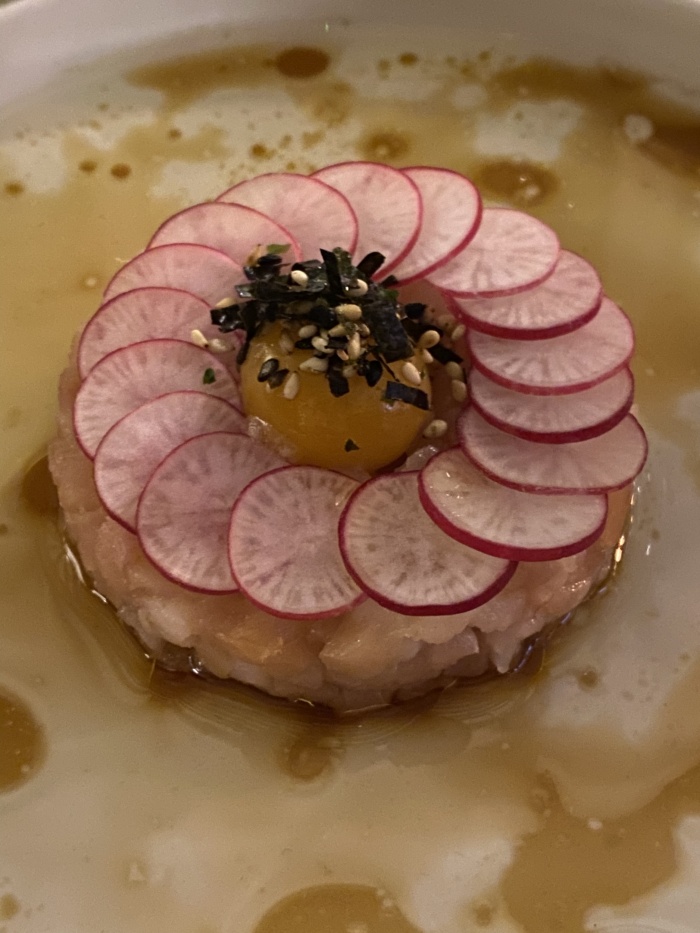
Pacific seafood, serious Pinot Noir and blue cheese with an orchard connection: a London dinner with chef Tom Brown offered an appetising introduction to Oregon.
An Oregon itinerary needs a little breathing room. There are fishing ports where lunch warrants a detour, vineyards that deserve an afternoon and cheese shops with considerable implications for the picnic basket. For travellers who regard dinner reservations as essential research, this is promising territory.
At Destination Oregon, an intimate press dinner at Paper Mill Studios in London, chef Tom Brown distilled that appeal into four courses. The Telegraph’s Greg Dickinson hosted the evening, which brought together Travel Oregon, the Oregon Wine Board and the Oregon Department of Agriculture, with support from the Western United States Agricultural Trade Association. According to the organisers’ recap, 18 Oregon wines featured across the event. There was plenty of ground to cover.

Brown began with albacore tuna tartare and Oregon pink shrimp, accompanied by radish, ponzu and egg yolk. The Japanese accents gave the opening a contemporary sensibility, while Elk Cove Estate Riesling 2024 and Domaine Drouhin Oregon’s Arthur Chardonnay 2024 introduced the white wines that occupied such a prominent place on the menu.
The natural next step for an inquisitive traveller is the coast. The Oregon Coast Seafood Trail stretches from Astoria to Gold Beach, connecting markets, retailers and restaurants serving seafood landed at Oregon ports. It offers a deliciously practical way to explore the communities behind the catch.

At Astoria’s Pier 39, OleBob’s Seafood Market supplies Dungeness crab and other seasonal seafood. In Cannon Beach, fishing-family-owned Ecola Seafoods makes a case for fish and chips; farther south, Newport’s Local Ocean sources fish directly from boats. Between stops lie beaches, maritime museums and working waterfronts. Lunch comes with a sense of where you are.
There is careful work behind the catch, too. Oregon’s pink-shrimp fishery has held Marine Stewardship Council certification since 2007. Specially designed nets and LED fishing lights help reduce the accidental capture of other fish, giving the sustainability story substance beyond the menu’s provenance.

Brown’s second course explored a richer register: roasted Pacific Dover sole with roast chicken butter sauce, pumpkin and kale. The combination suggested autumnal generosity, with two Chardonnays alongside it: Domaine Serene’s Evenstad Reserve 2022 and Phelps Creek’s Lynette 2021.
Oregon’s whites merit this attention. In the Willamette Valley, Chardonnay shares the vineyards with the region’s flagship Pinot Noir, alongside Riesling, Pinot Gris and other varieties. The landscape helps explain the range: the Coast Range rises to the west, the Cascades to the east, and the valley follows its namesake river from near Portland towards Eugene. Warm summers, cool evenings and a long growing season provide the setting for a rewarding education by the glass.

Pinot Noir took its turn with steamed black cod loin in nori, maitake mushroom sauce and Oregon hazelnuts. Adelsheim’s Breaking Ground Pinot Noir 2023 and Phelps Creek’s Cuvée Alexandrine Pinot Noir 2022 accompanied the course. Black cod, also known as sablefish, continued the Pacific Northwest seafood theme, while the mushrooms supplied an intriguing bridge to the reds.
At Adelsheim, care for the vineyard is formalised through LIVE certification. The programme’s standards encompass soil health, biodiversity, resource conservation and workers’ rights. For visitors, such details add another dimension to a tasting: the conversation can reach well beyond what happens in the cellar.
Those inclined to follow a favourite bottle can also visit Phelps Creek’s tasting room in Hood River, in the Columbia Gorge. It is another address to keep in mind when the wine list begins to influence the travel plans.

The hazelnuts, meanwhile, were doing more than adding a finishing touch. The Willamette Valley’s temperate climate and fertile soils make it important hazelnut-growing country, and the crop reappeared in the financiers accompanying the final course: Rogue Creamery’s Oregon Blue, Smokey Blue and Caveman Blue cheeses.
There is a particularly pleasing detail in the making of Smokey Blue: the cheese is cold-smoked over Oregon hazelnut shells. Even the orchard’s leftovers have found a distinguished occupation. Valley View Winery’s Domaine Rogue Orange Viognier 2024 and Domaine Rogue Syrah 2022 completed the pairings, drawing Southern Oregon into the evening’s exploration.
Both producers offer reasons to venture south. Valley View Winery has a tasting room near Jacksonville, while Rogue Creamery’s shop in Central Point offers cheese samples, picnic provisions and, when production is running, a view through the windows into the cheddar-making room. Leave some space in the shopping bag.

The creamery’s environmental measures extend to solar power, water conservation and sending food waste to local pig farms. These practical arrangements bring the wider agricultural community into the story, connecting the cheese counter with the working landscape around it.
Portland adds a different rhythm to the journey. Its food-cart pods gather independent kitchens around communal seating, turning a casual lunch into an opportunity to explore several cuisines. This international, enterprising food culture sits comfortably alongside the vineyards and artisan producers: another expression of a state with a healthy appetite for doing things its own way.

For those ready to turn the menu into a departure plan, Travel Oregon, the state’s official tourism website, offers regional guides, culinary trails and places to stay. Its sustainable travel collection includes car-free getaways and electric-vehicle itineraries, while the Oregon Wine Board provides winery listings and tasting-room inspiration — useful reading before deciding where to linger.
By Sid Thaker


