
A trial over the long-disputed estate of Andy Warhol’s photographer Billy Name, including the rights to his extensive photo archive, finally begins this week.
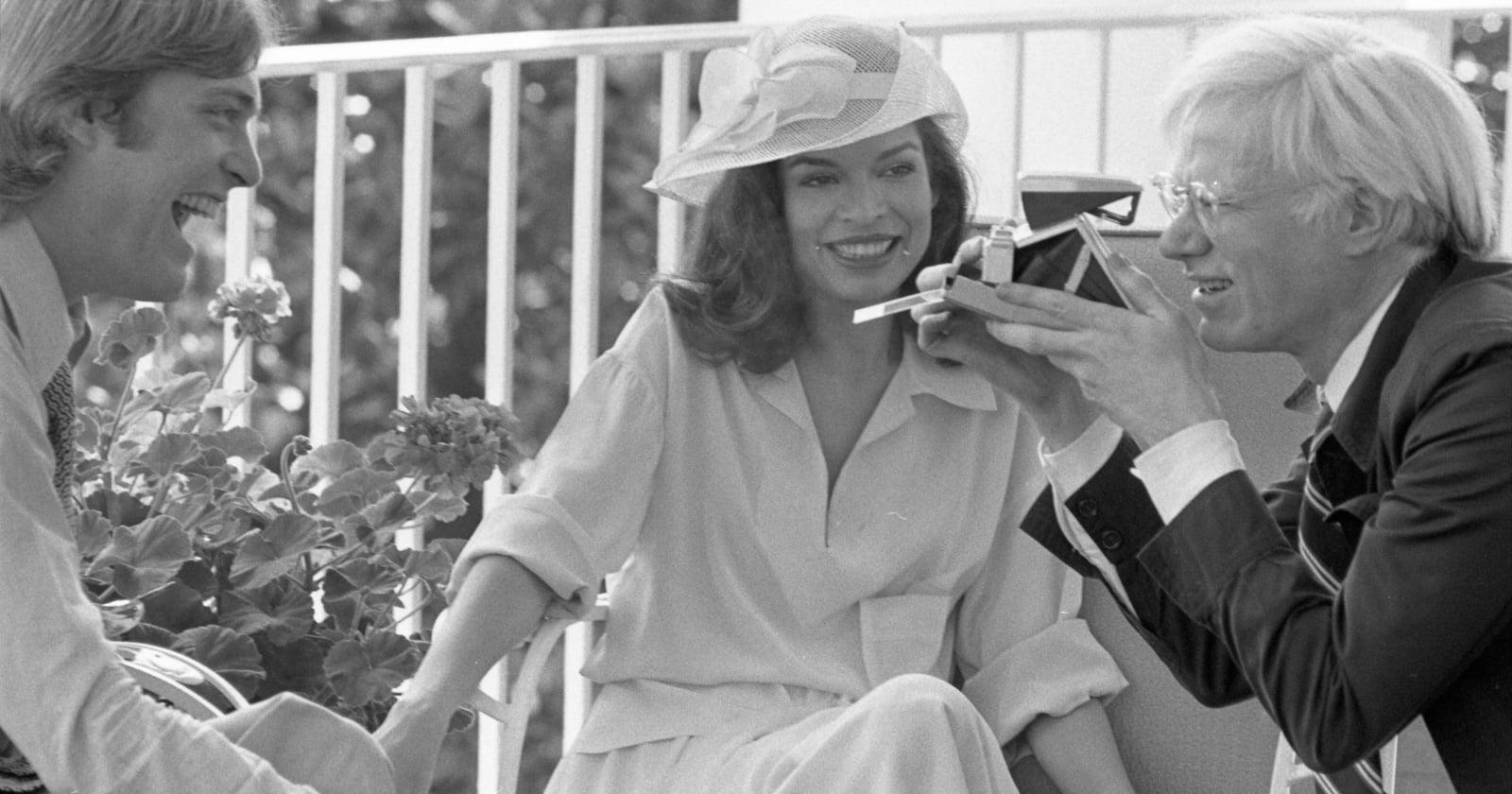
Name became Warhol’s close collaborator and photographer in the 1960s. He lived in Warhol’s New York studio, the Factory, for seven years and became the artist’s in-house photographer. Using a Pentax Camera, Name captured thousands of iconic photos of Warhol, his art, and the stars who visited the Factory.
His Factory-era photographs are regarded as some of the most important visual records of Warhol and the Pop Art movement.
However, when Name — who was born William George Linich — died in 2016, a legal dispute broke out over his estate, which included the rights to his valuable collection of photographs. More than a decade after Name’s death, the rights and fate of thousands of his photographs still remain legally contested.
According to a report by Times Union, a new jury trial at Ulster County Surrogate’s Court in Ulster County, New York, will finally decide who has the right to license the black-and-white photographs Name took of Warhol and who will control the future of his extensive photo archive. The case will be the first jury trial over an estate that Ulster County Surrogate’s Court has ever presided over.

The dispute is between Name’s longtime friend and agent Dagon James and his niece Suzette Linich both of whom claim to be the photographer’s rightful heir. At the center of the legal battle are two different wills left by Name. Linich presented a will dated 2011 that named her as the executor and sole beneficiary of his estate. Although the court accepted the document, James subsequently presented a more recent will, signed in 2015, that left the entire estate to him.
A key question in the trial is whether Name had the mental capacity to make the 2015 will. By 2014, the photographer, who is in his early 70s, was reportedly suffering from arthritis, diabetes, and depression and was frequently hospitalized. Name’s family argues that he was often confused and vulnerable to influence, alleging that James persuaded the photographer to exclude his relatives from his will.
James disputes those claims, maintaining that Name was mentally competent, trusted him, and made a deliberate decision to leave him in charge of his photographic legacy. The attorney who prepared the 2015 will testified that Name had clearly expressed his intention to exclude his relatives from his estate and leave everything to James.
Stolen Negatives
According to Times Union, the dispute is also complicated by Name’s history of working with agents who allegedly mishandled his photographic archive. Several agents who represented Name before James had been accused of exploiting the photographer and, in some cases, stealing his negatives. Name’s obituary in The New York Times notes that “a large archive of his 1960s negatives disappeared several years ago and has still not been recovered.”
James, meanwhile, published a major book of Name’s photographs, organized exhibitions of his work, and represented the photographer under a formal agreement.
Times Union reports that the case will mark the first jury trial involving an estate in the history of Ulster County Surrogate’s Court. Jury selection begins Monday, with testimony expected to begin Wednesday.
Both claim to be his intended heir, and the dispute centers on two different wills left by the photographer. Name’s niece Suzette Linich presented a 2011 will naming her as executor and sole heir. The will was accepted by the court, but James countered with a newer will from 2015 that left everything to him.
The central issue is whether Name was mentally competent when he signed the 2015 will. By 2014, he was reportedly dealing with arthritis, diabetes, depression, and frequent hospital visits. Name’s family contends he was often confused and susceptible to influence, and claims that James persuaded him to exclude them. James disputes this, maintaining that Name was lucid, trusted him, and deliberately chose him to manage his legacy. The lawyer who prepared the 2015 will testified that Name clearly expressed his wish to disinherit his relatives and leave his estate to James.
The fight is also shaped by Name’s long history with agents who mishandled his work, according to Times Union. Before James, several agents had been accused of taking advantage of him and even stealing his negatives. Name’s obituary in The New York Times in 2016 notes that “a large archive of his 1960s negatives disappeared several years ago and has still not been recovered.” By contrast, James published a major book of Name’s photographs, arranged exhibitions, and worked with him under a formal agreement.
Affiliate Disclosure PetaPixel articles may include affiliate links; we may earn a commission if you buy through one.