

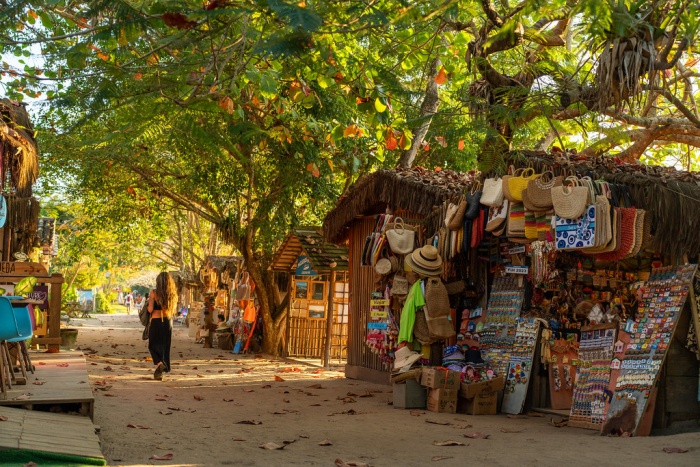
In communities across different regions of Brazil, tourism supports small businesses, creates jobs and income, and helps keep alive the knowledge, celebrations and production methods passed down through generations. Seven destinations that represent this reality are competing in the Best Tourism Villages 2026 initiative, organised by UN Tourism, alongside 268 other candidates from around the world.
Araçá, in Santa Catarina; Conceição de Ibitipoca and Delfinópolis, in Minas Gerais; Holambra and São José do Barreiro, in São Paulo; Lençóis, in Bahia; and Vila Flores, in Rio Grande do Sul, make up this year’s Brazilian selection. The results will be announced in December during a ceremony in Buenos Aires, Argentina.
Should they be selected, the villages will join two Brazilian destinations already recognised by the initiative. Testo Alto, in Pomerode, Santa Catarina, preserves half-timbered architecture and customs associated with German immigration. One of its main attractions is the Half-Timbered Route, featuring approximately 50 buildings along a 16-kilometre itinerary. Antônio Prado, in Rio Grande do Sul, preserves the legacy of Italian immigration through its architecture, cuisine and language. One example is Talian, a language of Italian origin that is still spoken by local residents.
With this year’s nominations, Brazil has now entered 27 villages since the award was created. Launched in 2021, Best Tourism Villages has received more than 1,000 applications from 100 countries. The Best Tourism Villages Network associated with the initiative currently brings together 319 rural destinations.
The recognition is aimed at communities that use tourism to protect their heritage, strengthen traditional activities and expand sources of income for local residents. Villages with up to 15,000 inhabitants may apply, provided they are characterised by activities such as agriculture, fishing, livestock farming and forestry, and are committed to preserving their values and ways of life. The assessment considers aspects including the protection of cultural and natural heritage, sustainability, infrastructure, governance and tangible benefits for residents.
SEVEN WAYS TO EXPERIENCE BRAZIL
1. Araçá (Porto Belo, Santa Catarina)
Fishing boats, coastal trails and seafood recipes are part of everyday life in Vila do Araçá, located within an environmental protection area on the coast of Santa Catarina. Artisanal fishing shapes the life of the community and keeps knowledge about the tides, sea routes and food preparation in circulation. Aboard traditional vessels or along routes close to the shoreline, visitors can experience practices preserved by different generations.
???? How to get there: Araçá is located on the coast of Santa Catarina. It can be reached by road from Florianópolis or Navegantes, both of which have airports offering connections to several Brazilian cities.
2. Conceição de Ibitipoca (Lima Duarte, Minas Gerais)
Quiet streets, historic buildings and the mountains of the Serra da Mantiqueira shape the landscape of Conceição de Ibitipoca. Local history retains traces of the routes travelled during Brazil’s gold rush, while the nearby Ibitipoca State Park features trails, caves, waterfalls and rock formations. Between hikes and swims in natural pools, the destination combines nature, memory and adventure without losing the atmosphere of a small village.
???? How to get there: For visitors arriving by air, Belo Horizonte and Rio de Janeiro serve as gateways. From either city, the journey to Ibitipoca continues by road.
3. Delfinópolis (Minas Gerais)
In the Serra da Canastra region, the landscape of Delfinópolis is closely connected to the flavours produced on its rural properties. Canastra Artisanal Minas Cheese and Canastra Coffee carry the characteristics of the territory and the expertise of local producers. Nearby, Serra da Canastra National Park adds waterfalls, trails, rivers and adventure activities to the itinerary. In this setting, tourism brings visitors closer to the people who produce food, cook and help preserve the region.
???? How to get there: Located in southwestern Minas Gerais, Delfinópolis can be reached by road from cities such as Franca and Ribeirão Preto, in São Paulo state, or Uberaba, in Minas Gerais.
4. Holambra (São Paulo)
Flowers are not only featured on Holambra’s postcards. They are part of the municipality’s economy, landscape and everyday life, earning it the title of Brazil’s National Capital of Flowers. Dutch heritage remains visible in the façades, recipes and local festivals. Visits to rural properties and experiences connected to flower cultivation offer a closer look at an activity that has helped shape the city’s identity.
???? How to get there: Holambra is approximately 130 kilometres from the city of São Paulo and can be reached by road. Viracopos International Airport, in Campinas, is the region’s main air gateway.
5. Lençóis (Bahia)
Stone mansions, historic streets and mountains announce the arrival in Lençóis, one of the main gateways to Chapada Diamantina. Waterfalls, caves, rivers and canyons attract travellers interested in hiking, swimming in natural settings and adventure activities. Guides, family-run guesthouses, restaurants and small local businesses connect these experiences with the community’s history and daily life, helping tourism revenue circulate throughout the region.
???? How to get there: Lençóis is approximately 400 kilometres from Salvador and can be reached by road from the capital of Bahia. The region also has an airport served by regional flights.
6. São José do Barreiro (São Paulo)
Historic coffee farms, colonial mansions and preserved stretches of Atlantic Forest share the landscape of São José do Barreiro, situated between the Paraíba Valley and the Serra da Bocaina. The Gold Trail follows routes once used to connect the country’s interior with the coast, crossing mountainous areas, rivers and waterfalls. At local dining tables and in artisan workshops, traditional recipes and handmade pieces preserve the city’s connection with rural life.
???? How to get there: From São Paulo or Rio de Janeiro, the journey continues by car to São José do Barreiro. Reaching some attractions in the Serra da Bocaina may require hiring local transport or using vehicles suitable for unpaved roads.
7. Vila Flores (Rio Grande do Sul)
In Vila Flores, Italian heritage takes shape through food, music and encounters between residents and visitors. Located in the Serra Gaúcha region, the municipality preserves this legacy through its cuisine, rural tourism and community traditions. One of the most distinctive expressions of this identity is the Filó Italiano, a celebration inspired by the gatherings that brought families together after the working day. Food, songs and stories recreate the atmosphere of these occasions and help pass the tradition on to new generations.
???? How to get there: Vila Flores is approximately 180 kilometres from Porto Alegre, heading towards the Serra Gaúcha region. The capital of Rio Grande do Sul is one of the main air gateways for visitors travelling to the area.
More than candidates for international recognition, the seven destinations demonstrate how small communities can earn a prominent place in global tourism without giving up their identity. By valuing their heritage, landscapes, knowledge and ways of life, these destinations expand the possibilities for discovering Brazil along routes where travel also becomes an opportunity for connection, belonging and the creation of new opportunities.
