


French faux fur specialist Ecopel is embarking on a new strategic shift in its supply chain. Having established itself on the market with synthetic alternatives to fur, the company has gradually developed materials partly derived from plants, culminating last year in the launch of a 100% bio-based alternative.
This “Biofur” range is now intended to make up the company’s entire offering. Ecopel, which saw its turnover rise by nearly 20% in 2025, plans to phase out petrochemicals in favour of natural fibres such as PLA.
Polylactic acid (PLA) is produced by fermenting plant sugars found in maize. For the French company, the shift to this new raw material entails a complete overhaul of its procurement.
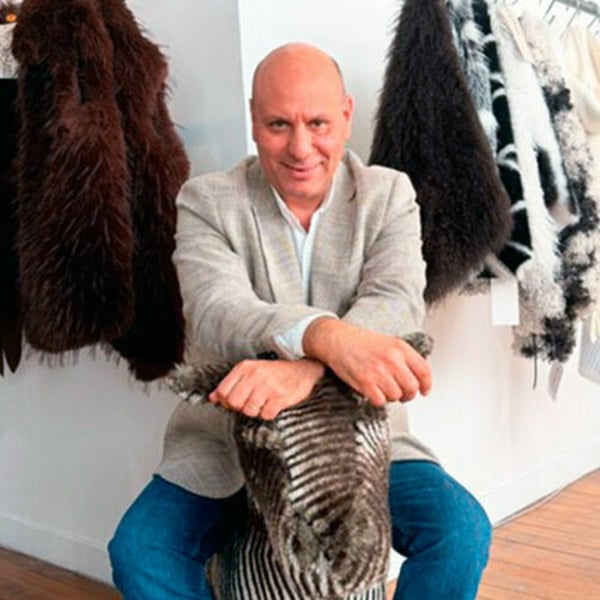
“It’s a major innovation because it’s a petroleum-free faux fur,” explains CEO Christopher Sarfati, noting that the use of synthetics remains one of the most frequent criticisms levelled at faux fur. “Moreover, current events show that we are right no longer to be dependent on petrochemicals.”
50% bio-based by 2027
In terms of integration, this new plant-based fibre will account for between 20% and 30% of faux-fur production from this year. The company has set a target of reaching 50% by the 2027 financial year. To this end, the company’s engineering teams have succeeded in designing not only the pile, but also the backing, from PLA.

This technological advance nevertheless requires the adaptation of the company’s machinery, given the fragility of this new material. The shift to fully plant-based inputs results in production costs around 30% higher than for recycled polyester, which has constituted most of the remaining activity since acrylic was discontinued in 2019.
As a result, these new materials are manufactured in Asia, as France does not, for the time being, have the appropriate industrial capacity to produce this type of faux fur.
“We are currently developing mink imitations for major Italian luxury brands,” says Christopher Sarfati, who notes that the company is stepping up new product development. Supplying around 350 brands and companies, Ecopel has also recently succeeded in producing fox imitations using this bio-based technology.

In Ecopel’s view, the rise of a bio-based alternative to synthetic furs is part of a market-wide ecological transition driven by the arrival of eco-scores. As for the supply difficulties currently affecting the industry, the company says it has been spared, with fibre stocks sufficient for the next 18 months.
This article is an automatic translation.
Click here to read the original article.
Copyright © 2026 FashionNetwork.com All rights reserved.