

I never owned a Nikon D850, although I put some miles on my D700 over the years. I did get a chance to review the D850, though, on one of my first major press trips to Bend, Oregon. This was back in the TCS TV days, and it was there that I met many of the industry professionals who I now consider good friends.
That’s a good place to start, because my time with the D850 is steeped deeply in good memories and nostalgia. It got us wondering… Was this the case for everyone else too, or is this camera actually as good as we remember?
It’s quite rare to have reviewed a digital product almost ten years ago and find that it is still available today brand new. When KEH said they had a D850 to lend us, I happily agreed to revisit this legendary camera and focus more on the shooting experience than on a proper review.
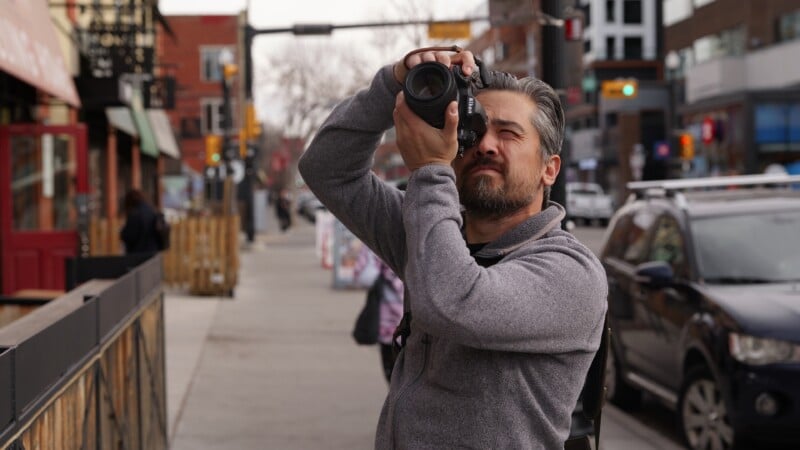
Nikon D850 Retrospective: Back to the DSLR Days
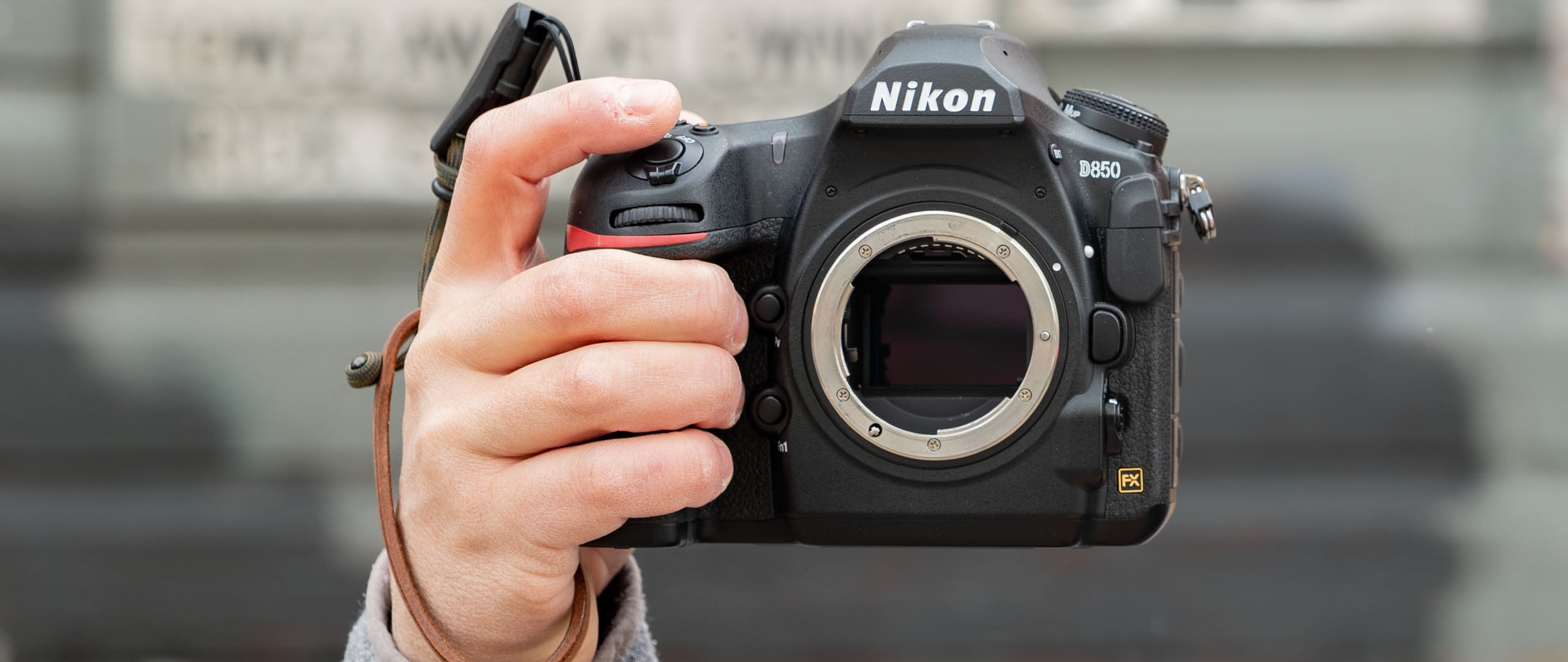
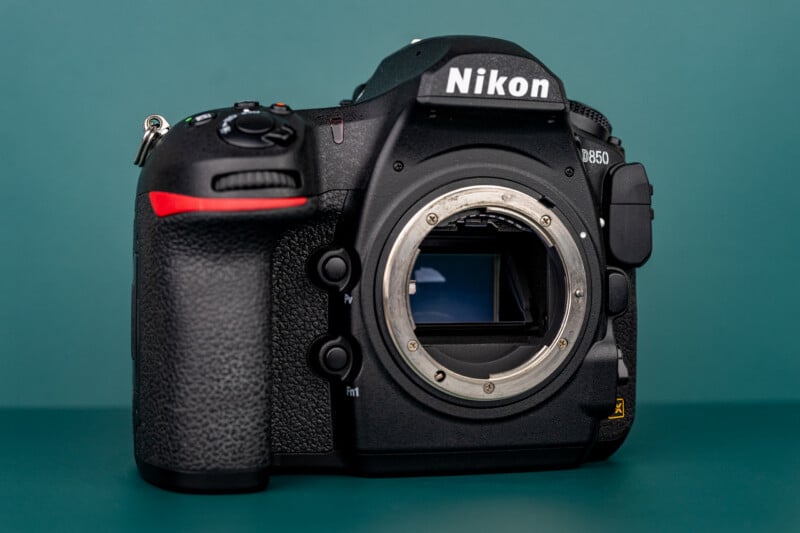
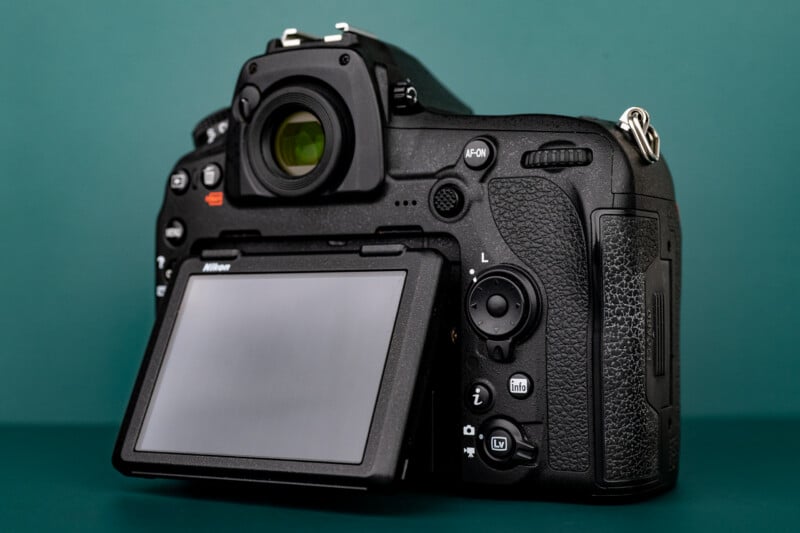
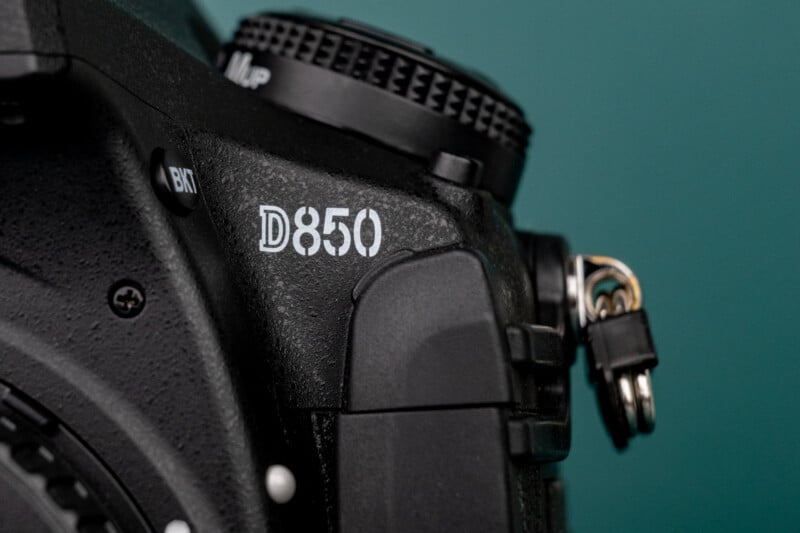
The D850 wholeheartedly deserves its legendary status. It was the pinnacle of Nikon DSLR technology, combining a relatively compact chassis with a high-res 45.7-megapixel sensor. I loved composing images through the brilliantly clear viewfinder with 100% coverage and the 2.3-million-dot LCD panel with full tilt articulation.
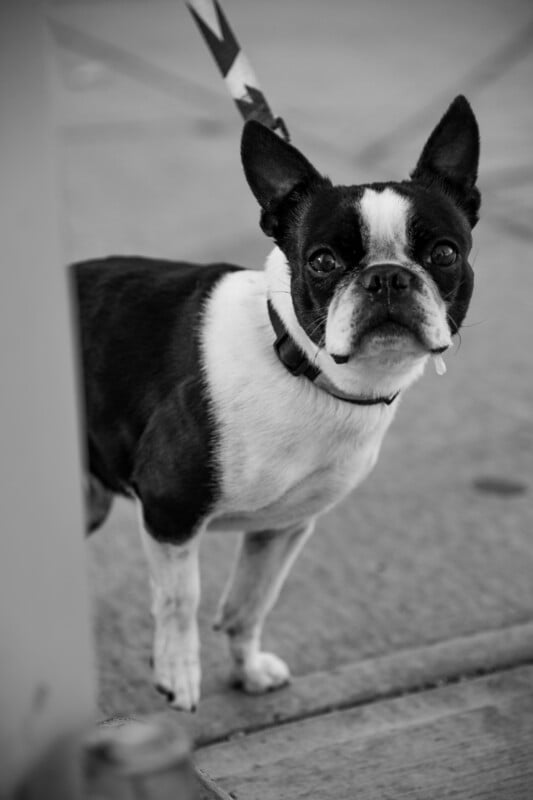

This is an SLR that could focus quickly, track faces and subjects with 3D-tracking technology, and fire bursts up to 9 frames per second with the right grip and battery combination.
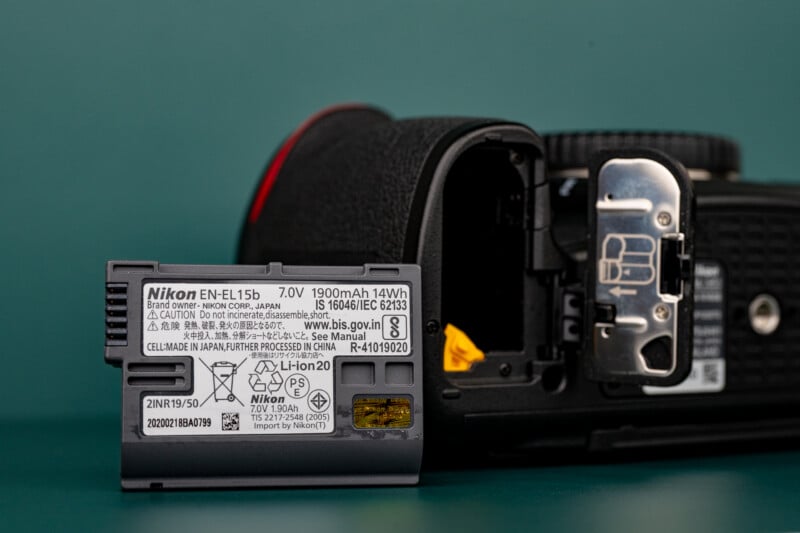
The chassis is fully weather-sealed and made out of solid magnesium, with all the controls required to customize the camera and handle difficult shooting scenarios. Professional shooters will also appreciate the dual card slots for a CFexpress Type B card and a UHS-II SD card.
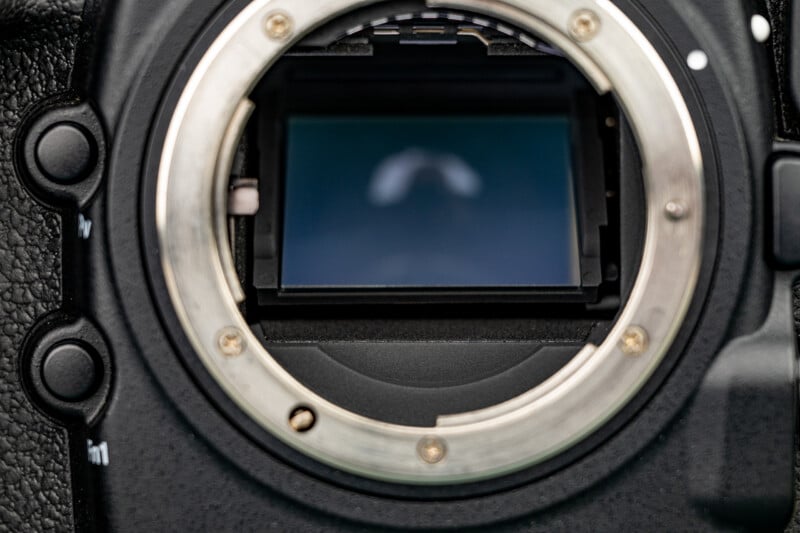
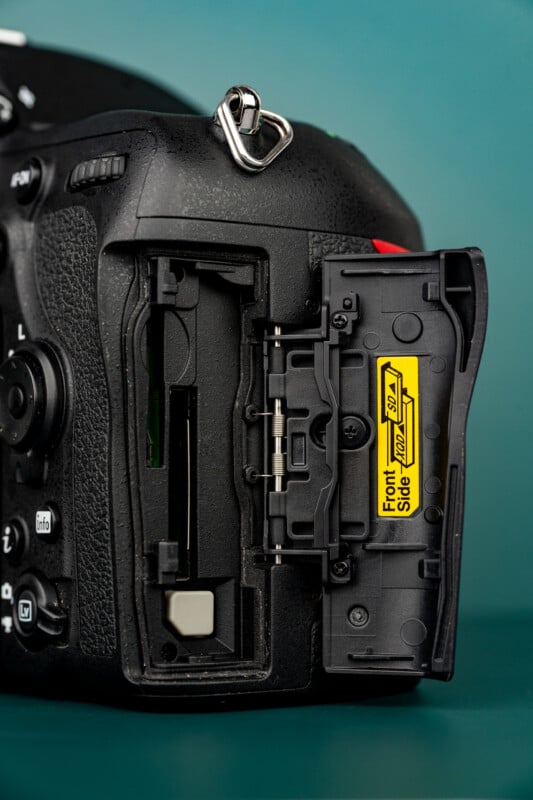
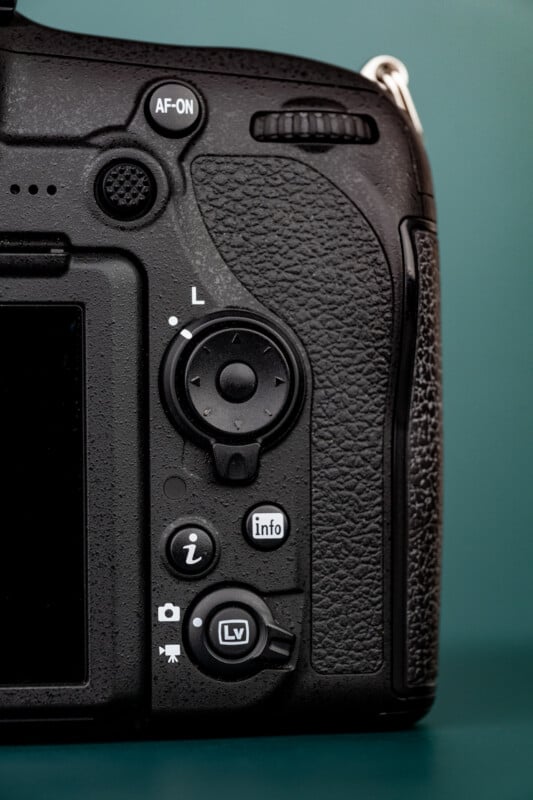
This is also a bit of a hefty camera, weighing almost 35 ounces (1 kilogram) when you throw a card and battery in. Most full-frame mirrorless cameras will weigh well under this amount, although Nikon seems to like heavy cameras, with the Z8 being the most similar, in both function and weight.
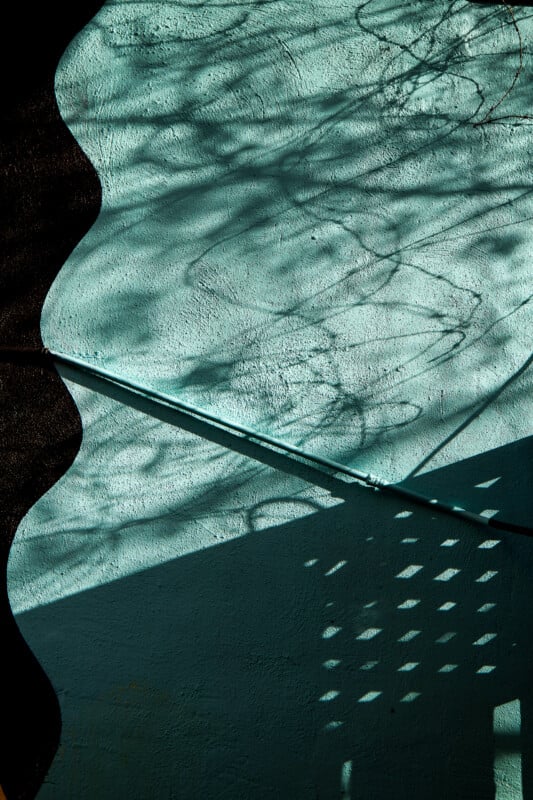
Regardless, the Nikon D850 is a pleasure to shoot, and it feels like the sophisticated tool that it is. It also happens to take some incredibly high-quality images, thanks to a sensor that may have been way ahead of its time.
Nikon D850 Retrospective: That Sensor
It’s amazing to think that a sensor placed into the D850 can still outperform modern mirrorless sensors in terms of raw dynamic range. Now, to be fair, the improvement is minor, and modern sensors read out way faster than they ever did. However, the fact is that the D850 sensor easily stands shoulder to shoulder with any full-frame camera today.
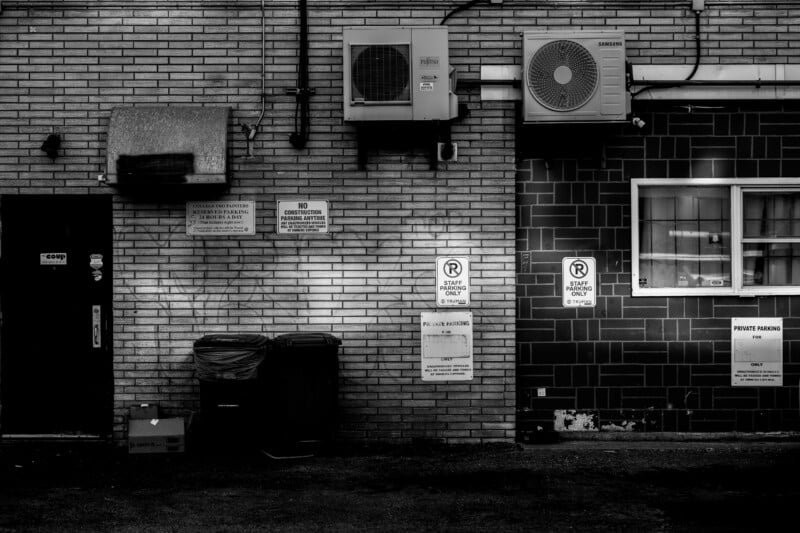
When we say that sensor technology has plateaued in the last decade, this is the perfect example. The D850 has a base ISO of 64, gathering extra amounts of light when possible, and will deliver incredible dynamic range and low-light performance. If you are looking for a rugged camera that can push shadows and pull highlights to the extreme, the D850 is a perfect choice.
Considering that the D850 can be purchased brand new for much less than a Nikon Z8, and that there is also a very healthy used market where the pricing gets even better, the D850 could make real sense to a photographer who doesn’t necessarily need the mirrorless advantage.




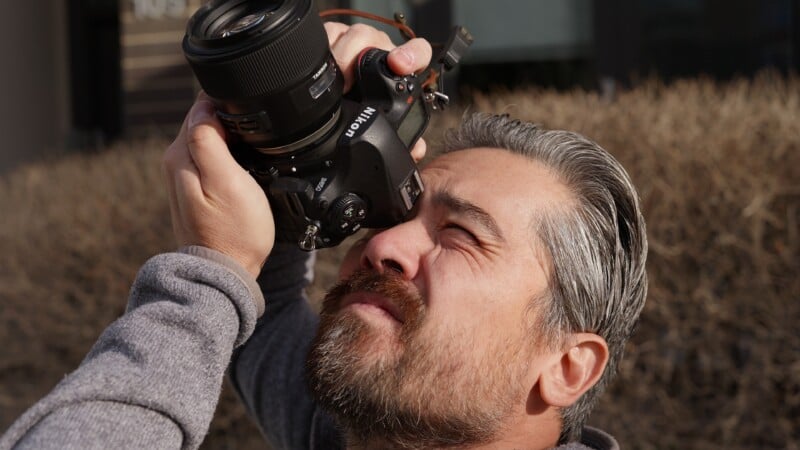
That mirrorless advantage will largely manifest in terms of video performance, autofocusing sophistication, and more compact bodies and lenses. However, this isn’t to say that the D850 is particularly weak in these regards either. I don’t get the ability to autofocus anywhere within the frame, but the D850’s coverage is still quite plentiful.
The 3D tracking works great even for inanimate objects, and there are plenty of situations where a single focus-and-recompose technique is all you need. Video is also fairly underdeveloped in the D850, with 4K resolution being available but somewhat soft-looking. The autofocus when using Live View is also abysmal, which was the standard for almost any non-Canon DSLR at the time.



Nikon D850 Retrospective: A Contemporary Competitor
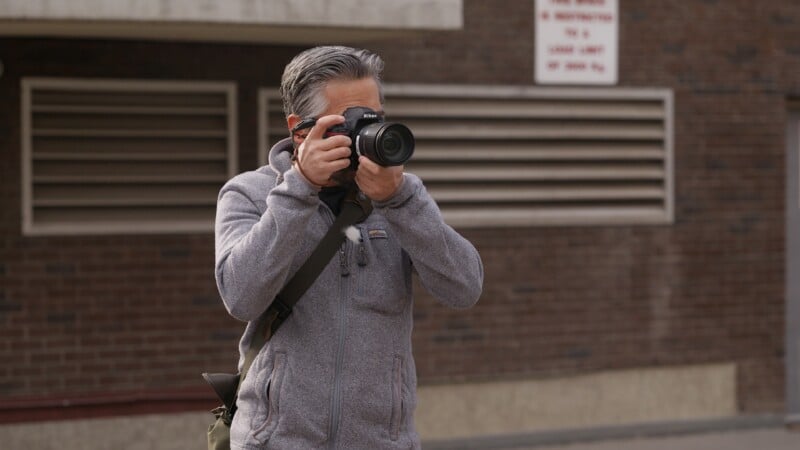
However, there is a large market of photographers who don’t care about video, don’t need advanced subject-tracking autofocus, and don’t mind a larger camera system. You won’t get IBIS, but there are plenty of optically stabilized lenses available, and I found the shutter and weight of the camera to be solid and easy to hold steady even at slower shutter speeds.

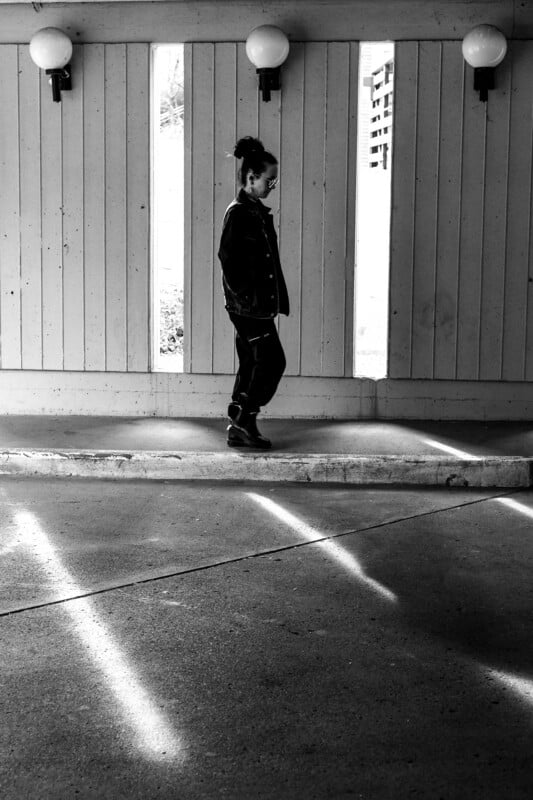
Perhaps one of the strongest reasons to consider the D850 is just the joy of using an SLR camera as a different shooting experience. I had this same enjoyable realization when shooting the Canon Digital Rebel, and that camera is nowhere close to the D850’s league. Composing with a premium viewfinder and having a powerful focusing system make the DSLR experience even better, and you don’t have to break the bank to do it.

For the same price as an entry-level Nikon Z5II body, the Nikon D850 would give you a lot of performance for your money, along with an arguably more enjoyable shooting experience. I highly recommend giving it a try.
Affiliate Disclosure
PetaPixel articles may include affiliate links; we may earn a commission if you buy through one.