



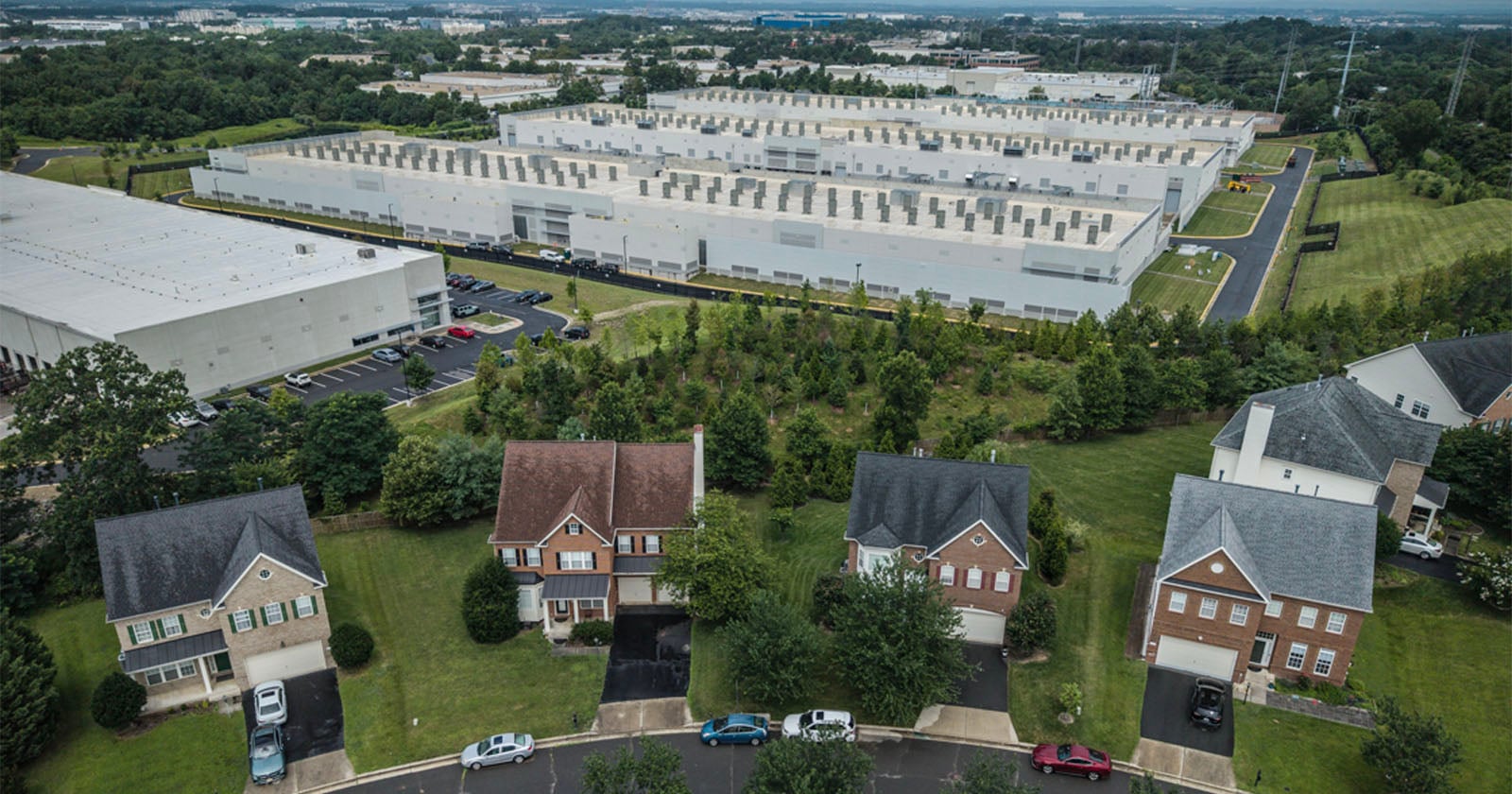
A photographer has set about documenting data centers in northern Virginia — an area that has the highest concentration of data centers in the world.
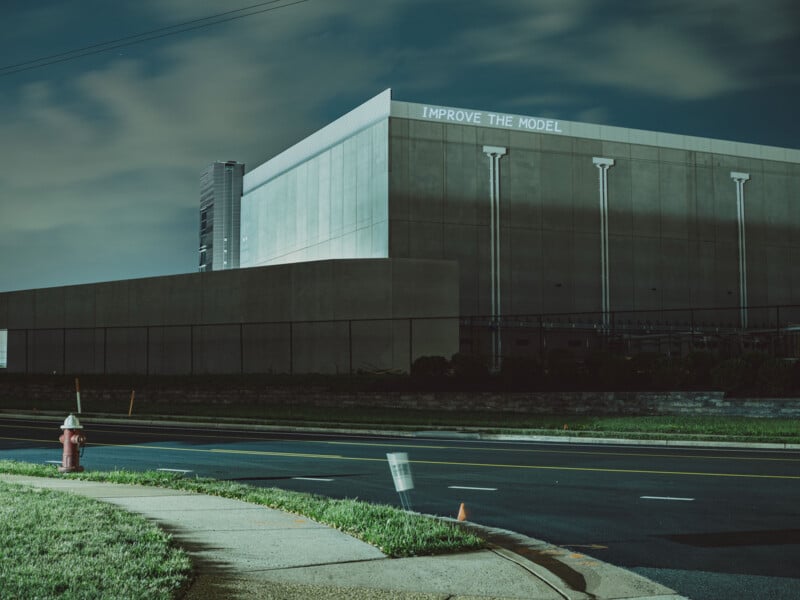
Stephen Voss’s unnerving photographs show giant box buildings looming over housing developments, baseball fields, and cemeteries.
“Three years ago, I was driving back from a photo shoot in Virginia when I noticed a data center for the first time, in all its drab, boxy glory. Here was the physical reality of something we’ve somehow agreed to call ‘the cloud’,” Voss tells PetaPixel.
The disconnect, Voss says, stuck with him. Over the next three years, he made over 100 trips to data centers in northern Virginia, exploring how these facilities intersect with the communities and places where people live their lives.
“Where does a data center end and someone’s neighborhood begin? What does it look like when the infrastructure behind our digital lives becomes the view from someone’s backyard?” Voss asks.
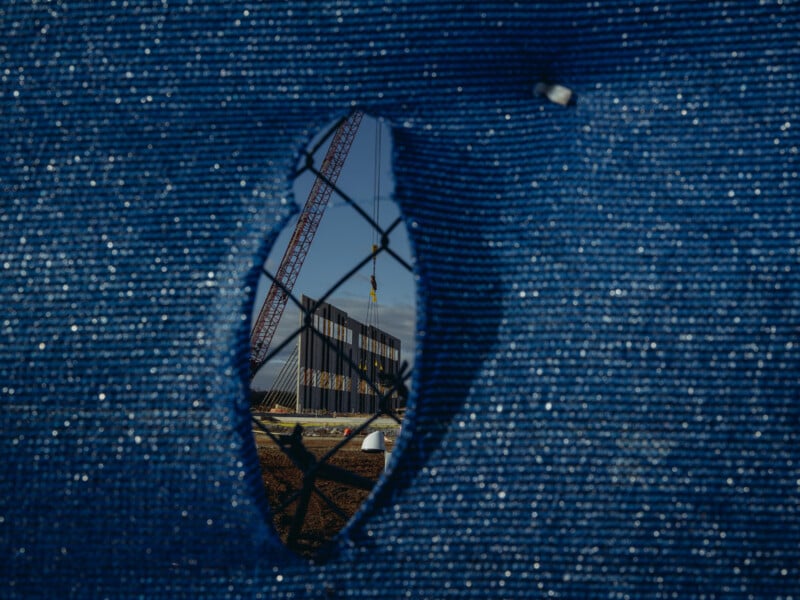
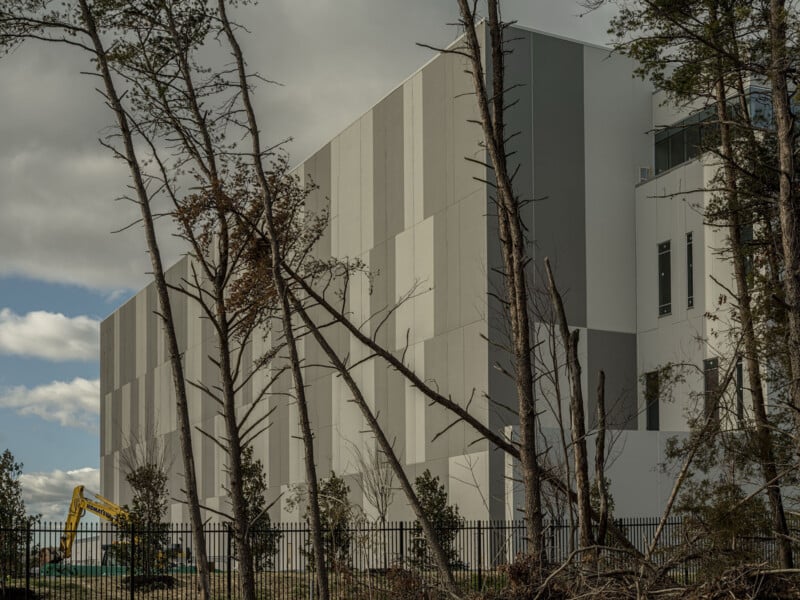
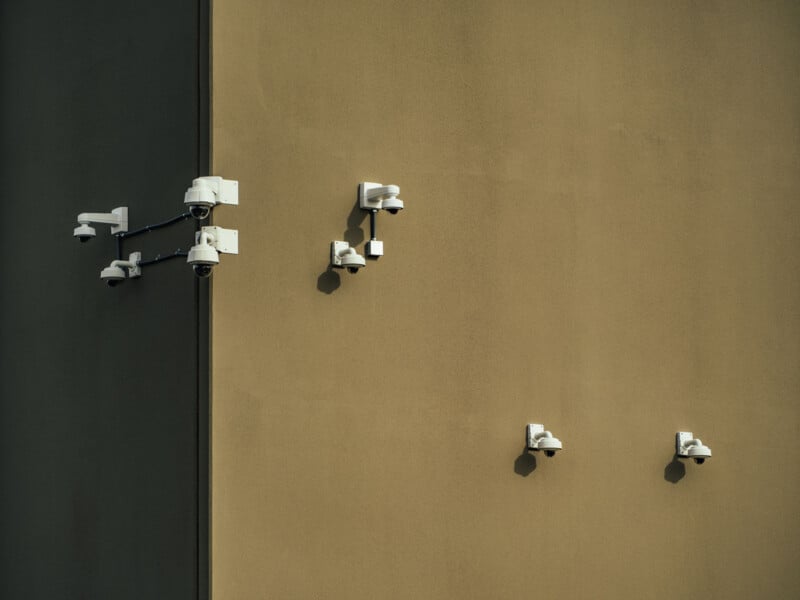
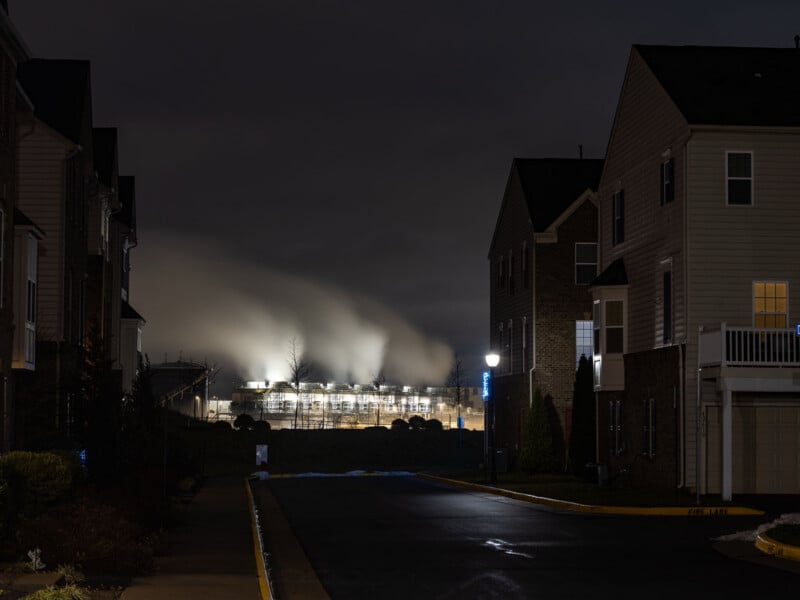
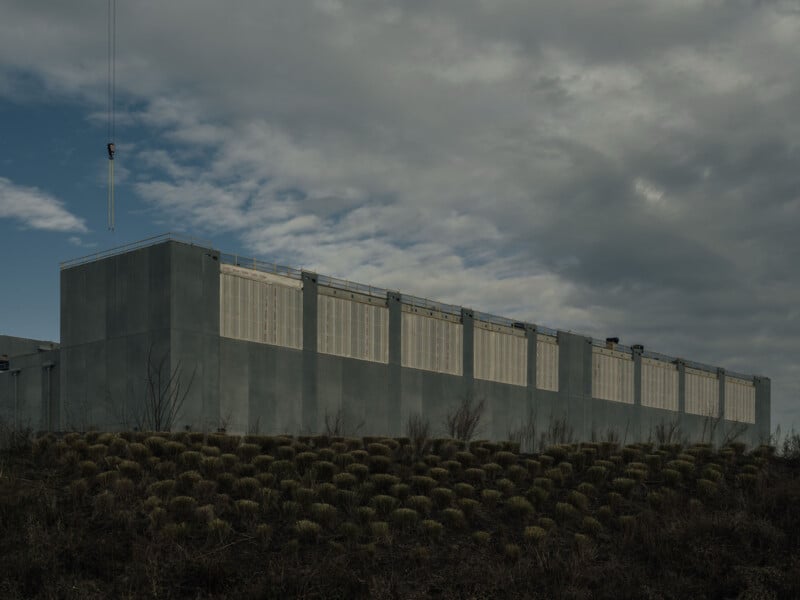
The project became Every Past and Tomorrow, a book Voss intends to self-publish via Kickstarter.
“Most of us rarely think about the infrastructure behind our online lives — where our photographs are stored, our music is streamed, or an AI prompt gets answered,” Voss says.
“For people living near data centers, those buildings are part of their everyday lives and I don’t think we should discount what it means to live right near one.
“In some neighborhoods, the sounds of cooling fans and natural gas turbines can be heard inside of their homes. People watch their kids play baseball at fields with 75-foot data center walls just past the outfield fence.”
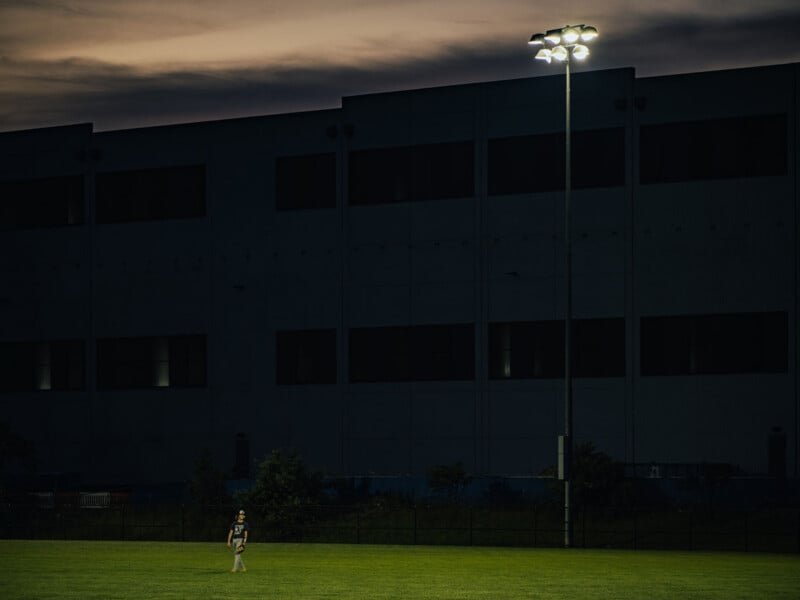
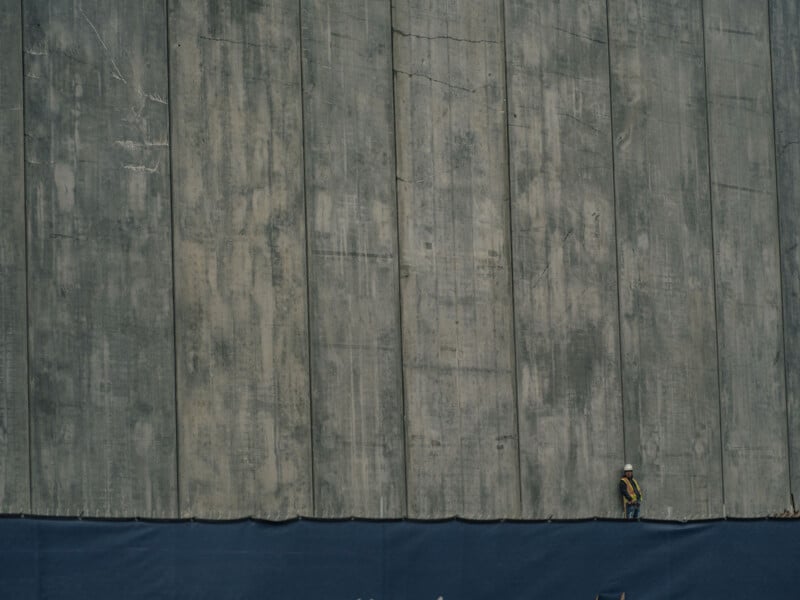
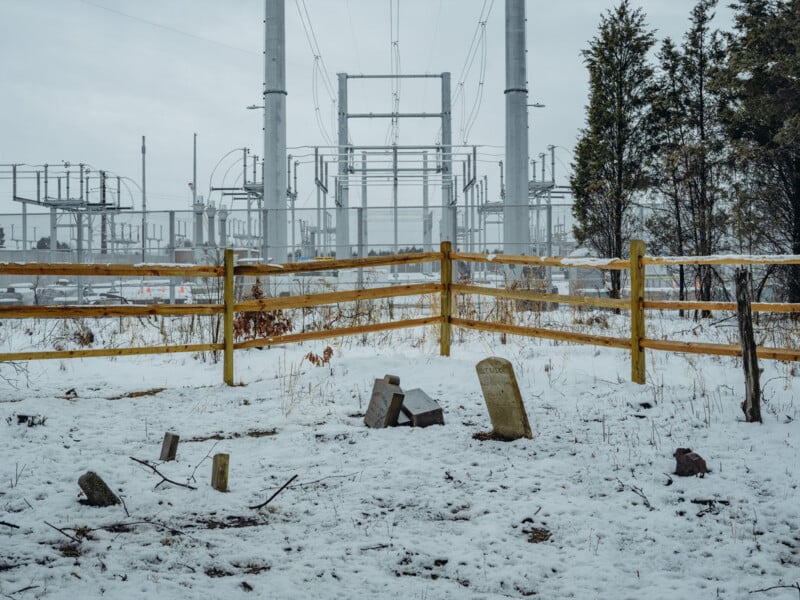
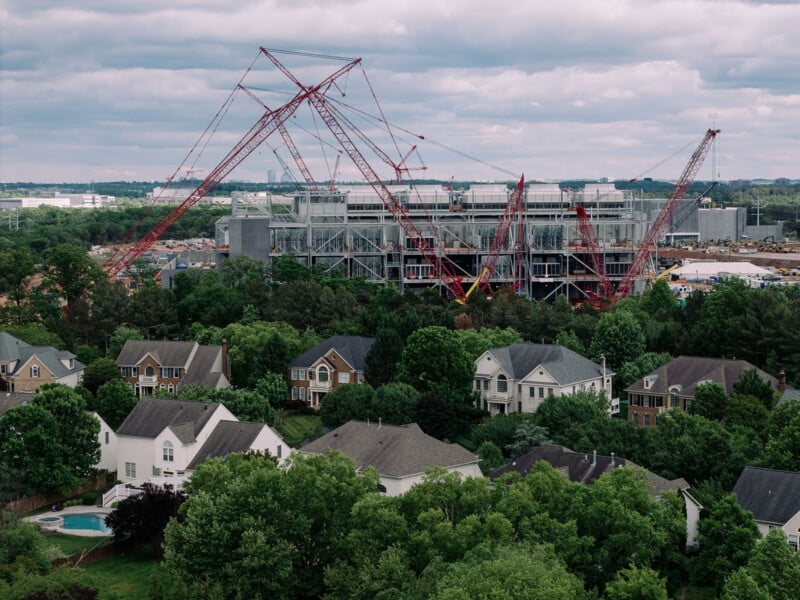
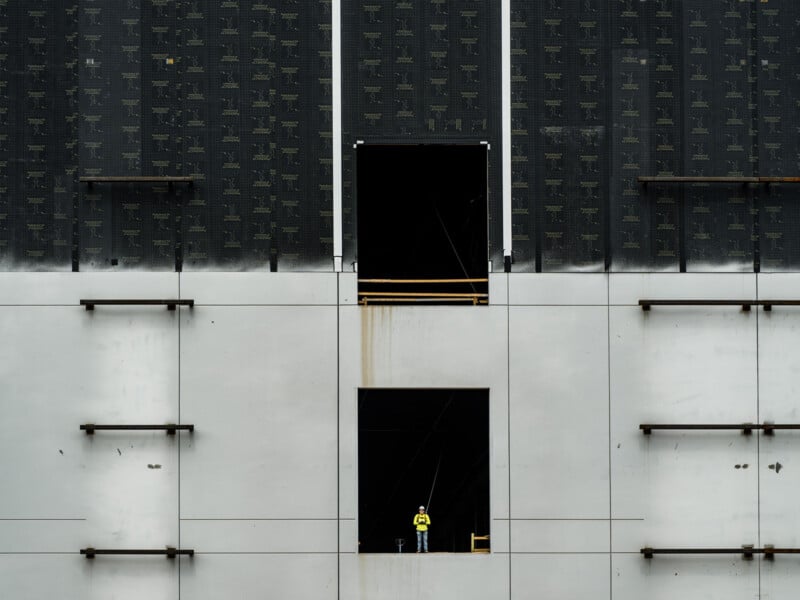
During the course of his project, Voss says he’s witnessed forests cut down, empty fields become enormous buildings, and places where he once made photographs closed off behind fences.
“Every time I return, I see a landscape changing and felt this urgency to document as much of it as possible,” he adds.
Voss says the landscape is changing so much that Google Maps can’t keep up.
“Street View and satellite imagery often show an empty field where there’s already a building,” he says. “So, I spend hours driving around, searching through online permits and county records, and returning to places again and again to see how they’ve changed over time.”
Photographing Featureless Buildings
Over the course of the project, Voss gained a drone license so he could take to the air to better show the relationships between data centers and the neighborhood.
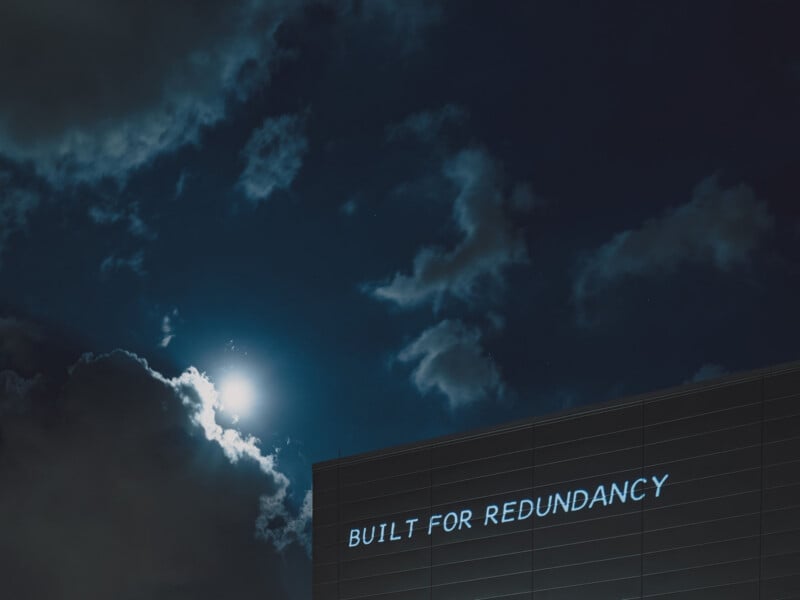
However, bringing massive nondescript buildings to life is no easy task, and he started to see the giant blank walls as a canvas.
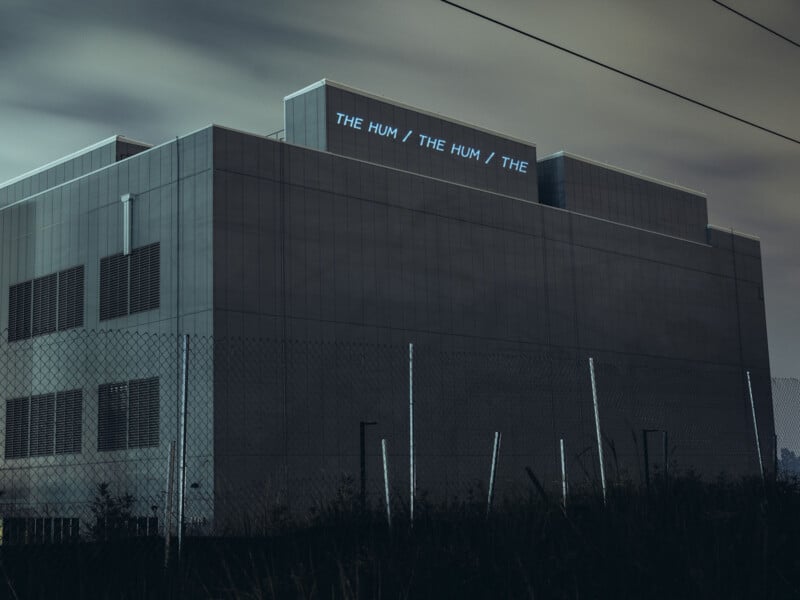
“I dug through AI research papers, terms of service, and old science fiction,” Voss explains. “At night, I projected words from those texts onto the data centers themselves — returning the language of this technology to the structures that make it possible.”
Voss says that more than once security guards came and spoke to him as he projected text onto the buildings, making him hard to miss.
To support Voss’s book Every Past and Tomorrow: The Physical Landscape of AI, head to his Kickstarter page. More of his work can be found on his Instagram and website.
Image creditsPhotographs by Stephen Voss
Affiliate Disclosure PetaPixel articles may include affiliate links; we may earn a commission if you buy through one.


