



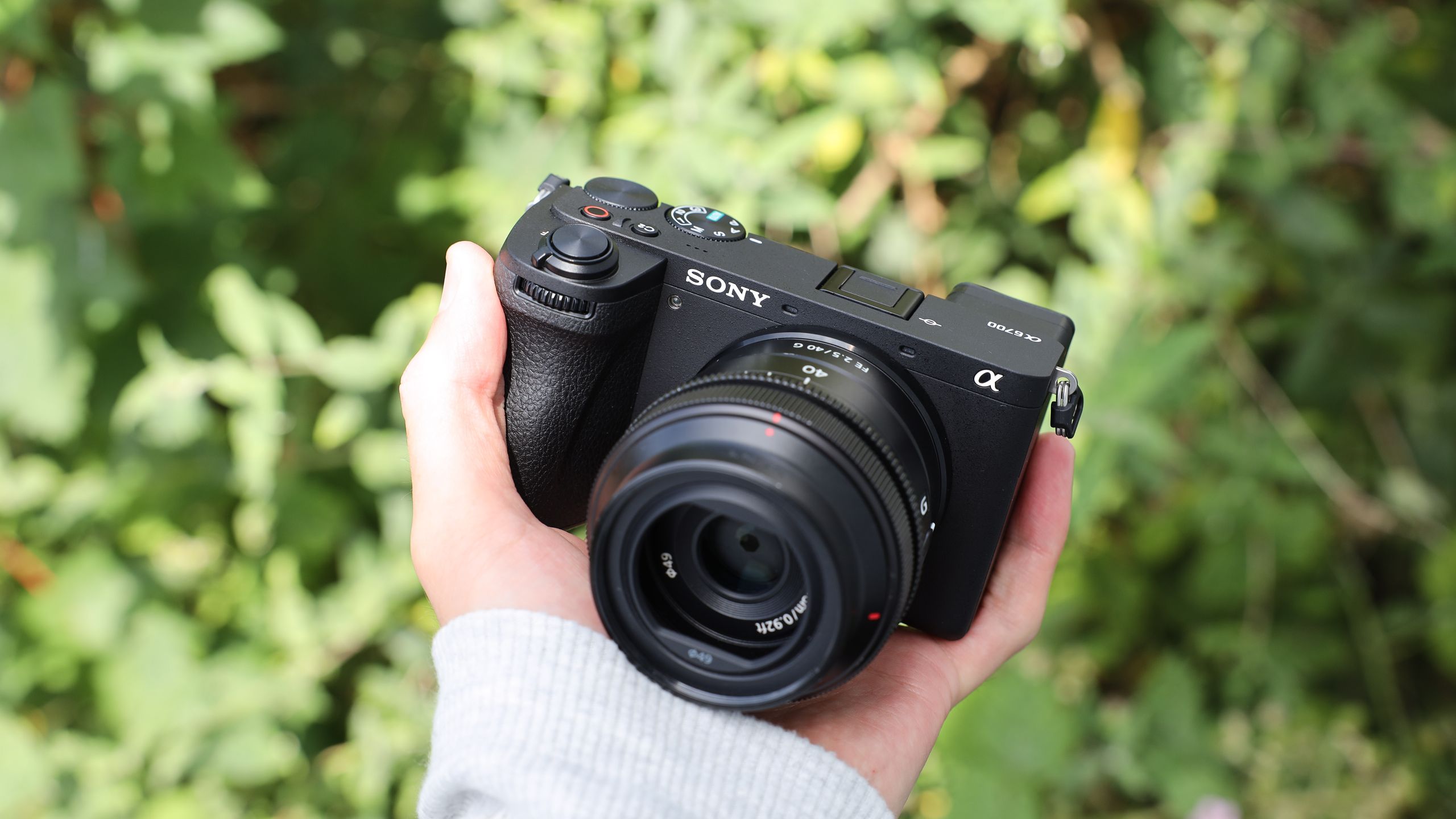
Picking up a used camera is a great way to fit high-end features into a small camera budget. The 2018 Fujifilm X-T100 is one such camera, particularly for photographers looking for a retro style on a budget.
But when I look at the X-T100, I can’t help but think of another camera that’s similarly priced on used markets: The Sony A6000 series, like the A6100.
The Fujifilm X-T100 is a lovely-looking camera – as are most Fujifilm rigs, for that matter – and it still packs in Fujifilm’s popular film simulations.
Latest Videos FromDigital Camera World
While the 2018 Fujifilm camera does boast a 24MP CMOS sensor, just like all of the Sony A6000 models, and, admittedly, superior build quality with its sturdy aluminum top plate, I’d never peg the Fujifilm as a better device for capturing stills and video than its Sony counterparts. And I’m not just saying that because I’m a Sony shooter.
There’s a key reason that I would choose a Sony’s A6000 APS-C line-up camera instead: Autofocus and video.
In terms of stills, the main difference between these two cameras is in the autofocus. The Sony A6100’s autofocus system has more extensive sensor coverage and smarter features.
Sony’s specialized BIONZ X processor calculates tracking and exposure up to 60 times per second. This rapid calculation is backed by 179 phase-detection AF points. Even the earliest A6000 model from 2014 covers nearly the entire sensor, outclassing Fujifilm’s centralized, 91-point system.
Newer Sony models like the A6100 (2019) and A6400 (2019) feature advanced AI-driven AF to lock onto a subject’s eye, even through erratic motion. In contrast, the X-T100 relies on less sophisticated face-detection AF, which is more likely to lose its target if a subject blinks or turns away.
It’s not like you won’t get sharp images with the Fujifilm X-T100, but you’ve got a much better chance of consistently getting sharp images with a Sony A6000 model, especially later models.
The other big difference for me is video capability. I’ll start here by saying that the Fujifilm rig does have a better three-way tilting touchscreen than all of the A6000 models bar the most recent A6700 (2023).
This latest A6000 shooter also has a vari-angle LCD screen, while earlier generations in the lineup feature a basic up-and-down-tilting screen.
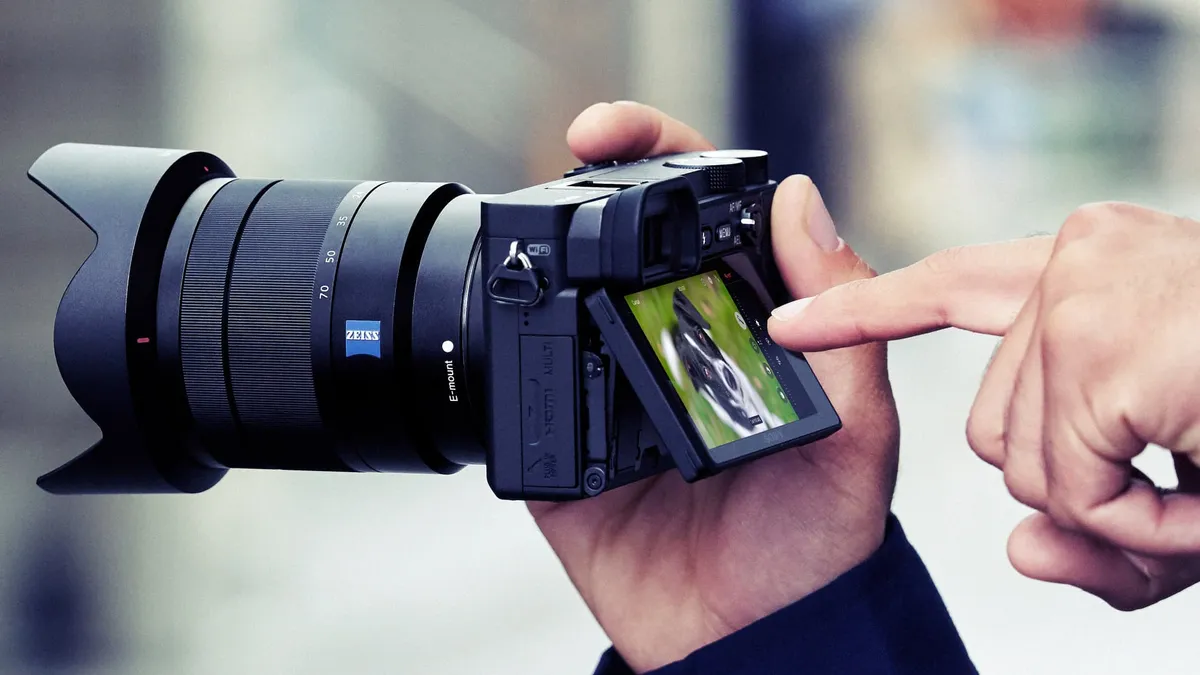
But beyond the LCD, Sony is clearly the better choice for recording. Sony introduced 4K UHD at 30fps / 1080p at 120fps back in 2016 with the A6300. Now, the Fujifilm X-T100 was released two years later with 4K UHD, but it’s strictly capped at 15fps.
Since then, Sony has only gone on to bolster the video capabilities of A6000 cameras, with later models able to shoot Full HD 1080p at 120fps, compared with the X-T100’s 24, 50, and 60fps.
The Fujifilm X-T100, which is only available used, tends to sit around the same price point as a used Sony A6100. Sony’s superior AF and video specs are enough for me to choose a Sony APS-C camera over an X-T100.
If you’re looking for a thorough breakdown of the Fujifilm rig and deep dives into the Sony shooters, then be sure to read their dedicated reviews on Digital Camera World next:
You might also like…
Here’s our expert pick of the best APS-C compact cameras.